
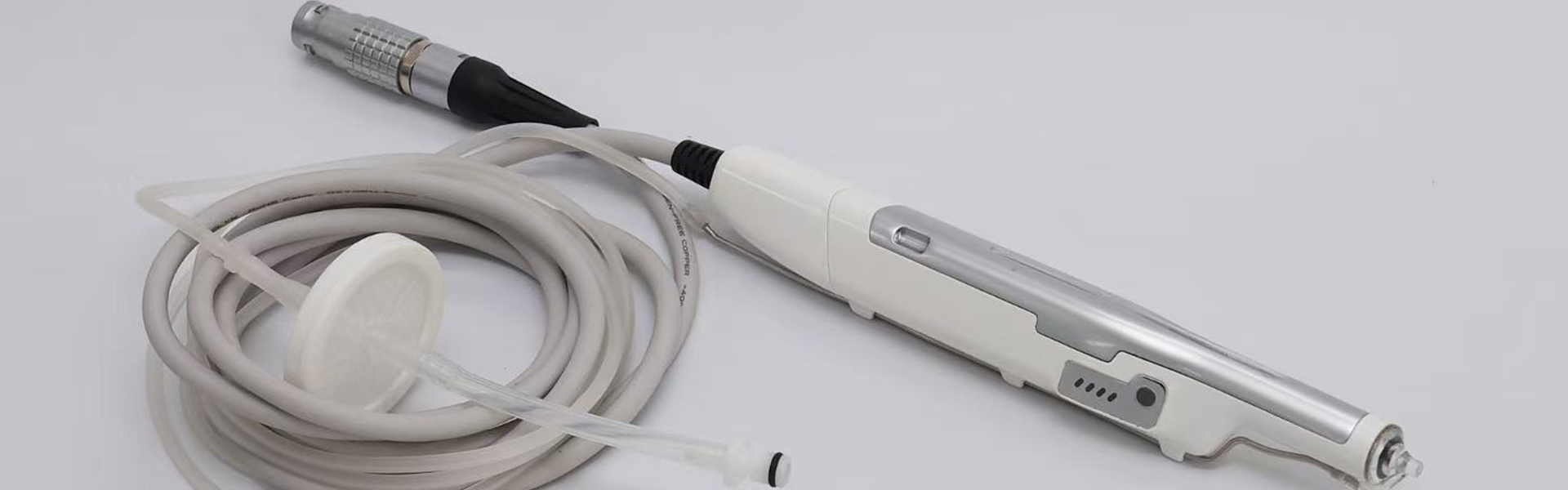
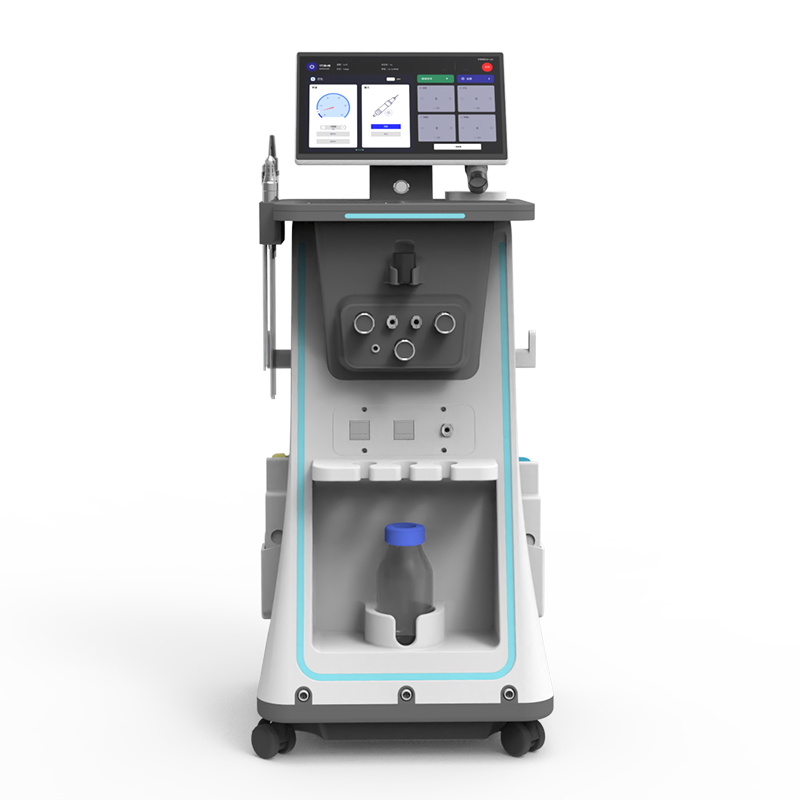
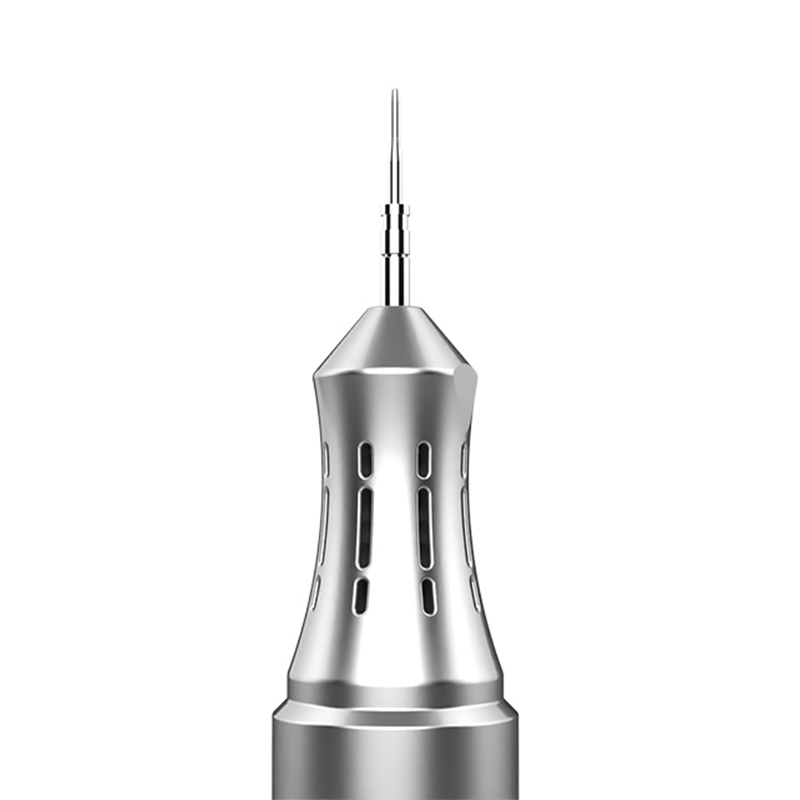



Buyers searching for FUE Hair Transplant Machine in 2026 are usually not looking for a simple catalog page. They are trying to reduce project risk, compare suppliers faster and confirm whether the manufacturer can support real delivery conditions.
What buyers should confirm first
The first useful question is not whether the product is available. It is whether the specification, application condition and acceptance standard are clear enough for the supplier to quote without guessing. Missing project data often causes wrong model selection, slow confirmation and avoidable price changes.
RFQ checklist for FUE Hair Transplant Machine
| Application data | Working condition, size, model range, capacity, material and site limits. |
| Quality evidence | Inspection points, test method, certificate requirement and traceability record. |
| Delivery risk | Lead time, packing method, spare part plan and after sales contact window. |
| Quotation clarity | Drawings, sample photos, target quantity, destination and acceptance criteria. |
Industry context behind this demand
clinic owners compare graft handling, workflow stability, training support and after sales response before equipment purchase. A good supplier page should therefore connect the product, the engineering detail and the inquiry path. That is also why this update uses product page links and quotation oriented language rather than broad marketing slogans.
Product pages to review before inquiry
These internal pages help buyers check whether the product family matches the project before sending drawings or specifications:
How to compare suppliers without wasting time
Ask each supplier to respond with the same technical scope. Compare the model or process recommendation, stated exclusions, inspection method, packing plan and response speed. A lower first quotation is not always cheaper if the supplier leaves key project risks undefined.
Related reading from this website
Hair Transplant Equipment Accessories Specification Checklist for Overseas Project RFQs
Hair Transplantation System Installation and Commissioning Notes for Buyers
How to Compare Other Apparatus Suppliers Without Sacrificing Reliability
FAQ
What information should buyers send for FUE Hair Transplant Machine
Send the application condition, drawings or photos, target quantity, required standard, destination country and any inspection or packing requirement.
How does this help Google understand the page
The article connects the product term with real procurement questions, internal product pages, image context and a clear inquiry path. This gives search engines more useful entity and intent signals.
When should the buyer contact the supplier
Contact the supplier when the project has a confirmed application, technical requirement or delivery target. Early discussion reduces rework and makes the quotation more accurate.
Procurement context for clinics and distributors
This added section expands the article from a practical sourcing angle. The focus is FUE hair transplant machine buyer guide, and the main reader is clinics planning 2026 equipment projects. For clinic equipment and scalp care related products, buyers should avoid judging a supplier only by a product name. A useful RFQ should explain the clinic workflow, room setting, accessory requirements, staff training needs and after sales communication expectations. This article does not make treatment outcome promises. It supports product comparison and project preparation.
Information to confirm before quotation
Buyers should prepare machine configuration, punch handpiece, microscope support, accessory list, training and maintenance. They should also include target market, required language, power requirements, packing expectation, shipping destination, training format and service contact method. If the inquiry includes equipment, the buyer should clarify the room layout and procedure workflow. If the inquiry includes scalp care or skincare items, the buyer should clarify product category, packaging, label language, storage condition and compliance documents required for their market.
Relevant product pages
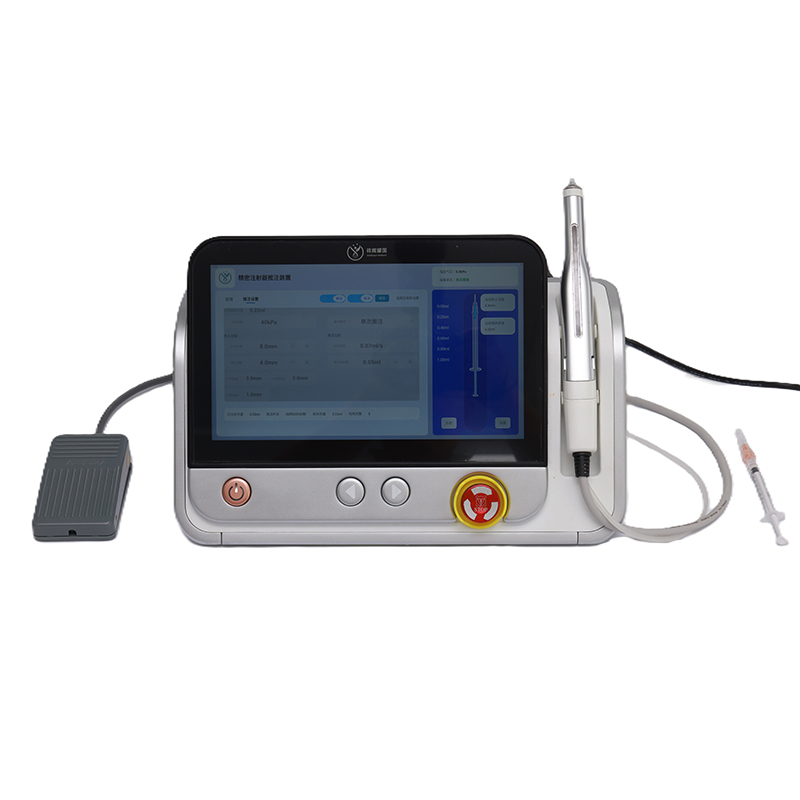
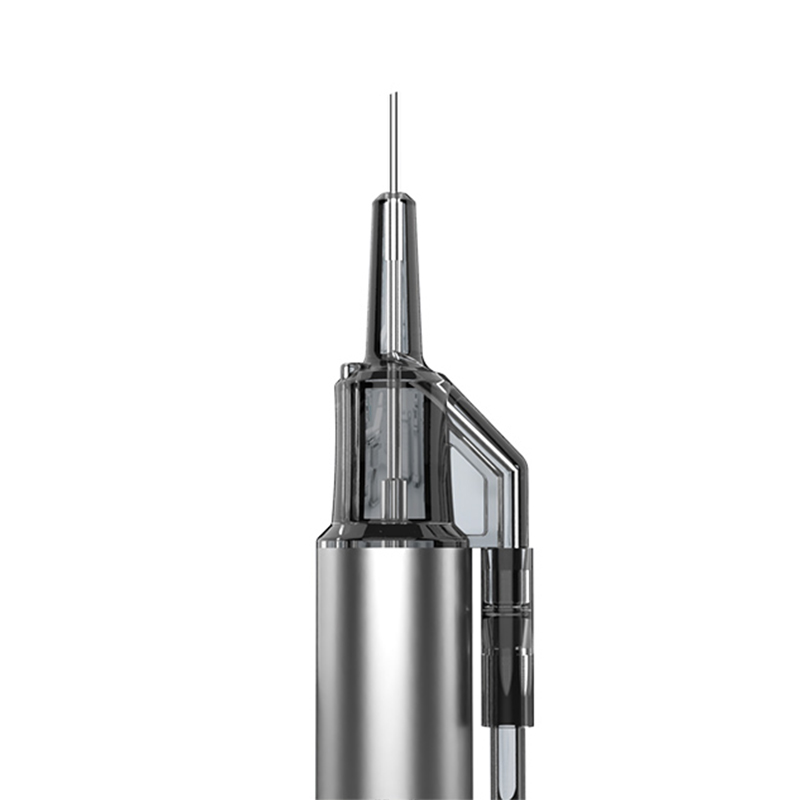
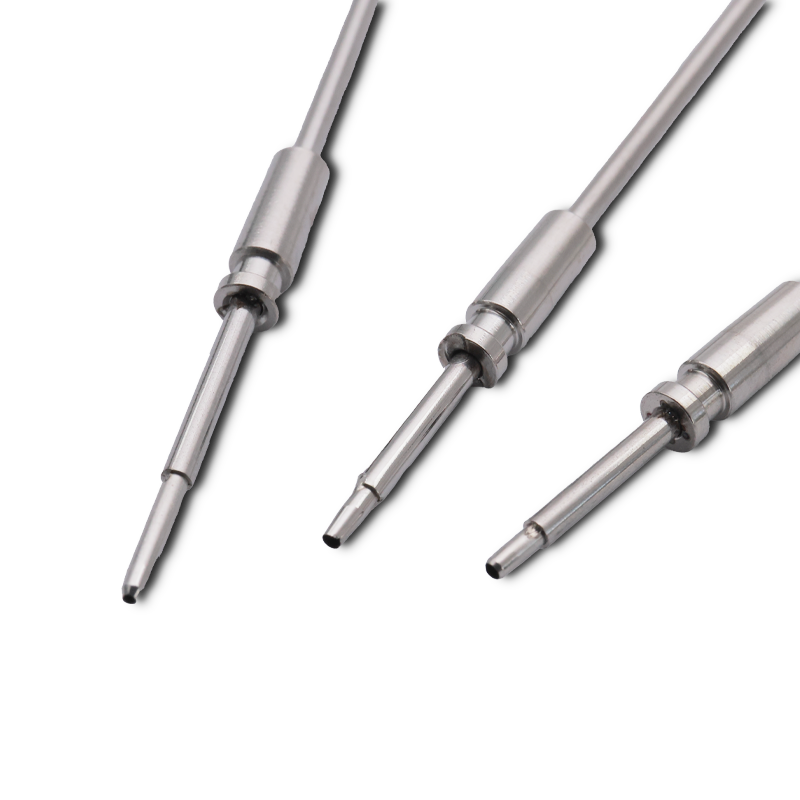
Useful internal pages include hair transplant equipment product range, hair transplant equipment accessories, extraction and punch handpiece, hair implantation handpiece, hair follicle microscope, skin tissue punch, medical institution partnership case, FUE AI company profile. These links help visitors move from a general buying question to the specific FUE AI product line. Equipment buyers can compare handpieces, microscopes, hair transplantation systems and precision injection devices. Scalp care buyers can review Botanical ExoGenesis product pages and then send a more complete inquiry with packaging and distribution requirements.
Workflow and room planning
A clinic project should consider more than individual devices. Staff movement, patient chair position, equipment location, cleaning route, storage cabinet and documentation area all affect daily workflow. Before ordering, the buyer should list the steps from consultation, preparation, extraction support, graft inspection, implantation support, cleaning and maintenance. The supplier can then recommend accessories and support materials that fit the expected workflow.
Quality and service checks
Quality review should include product appearance, accessory fit, operating condition, packing condition, user documents and spare parts list. For repeat orders, buyers should keep records of model numbers, batch information, replacement parts and service contacts. This reduces confusion when a clinic needs additional units or consumables. For distributors, consistent naming and documentation also makes communication with downstream clinics easier.
Case and company reference
Project buyers can continue with hair transplantation system, second generation B type hair transplant equipment, extraction and punch handpiece, hair implantation handpiece, hair follicle microscope, hair transplant case reference, medical institution partnership case, FUE AI company profile to review related products, case references and company information. Case pages do not replace professional evaluation, but they help buyers understand the supplier's project experience and product scope. Company information is useful for checking communication reliability, export support and long term cooperation potential.
Common procurement mistakes
Common mistakes include asking only for a unit price, ignoring the procedure room layout, forgetting spare parts, overlooking staff training, mixing incompatible accessories and not confirming packing before shipment. Buyers should also avoid unclear medical claims in their own marketing materials. The safer approach is to describe product function, workflow support, training needs and documentation scope in precise language.
Inquiry conversion guidance
A strong inquiry should state the product category, target use scenario, quantity, room or distribution plan, required accessories, expected delivery schedule and service questions. The article connects those buyer questions with FUE AI pages such as hair transplant equipment product range, hair transplant equipment accessories, hair implantation handpiece, skin tissue punch, precision injection devices, Botanical ExoGenesis products, case studies, FUE AI company profile. This helps search visitors become real inquiries because they can understand what information is needed before requesting a quotation.
