
Comprehensive Analysis of Early-Onset Alopecia: Causes and Treatments
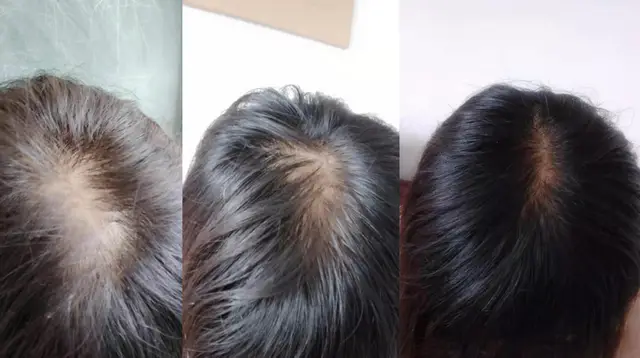
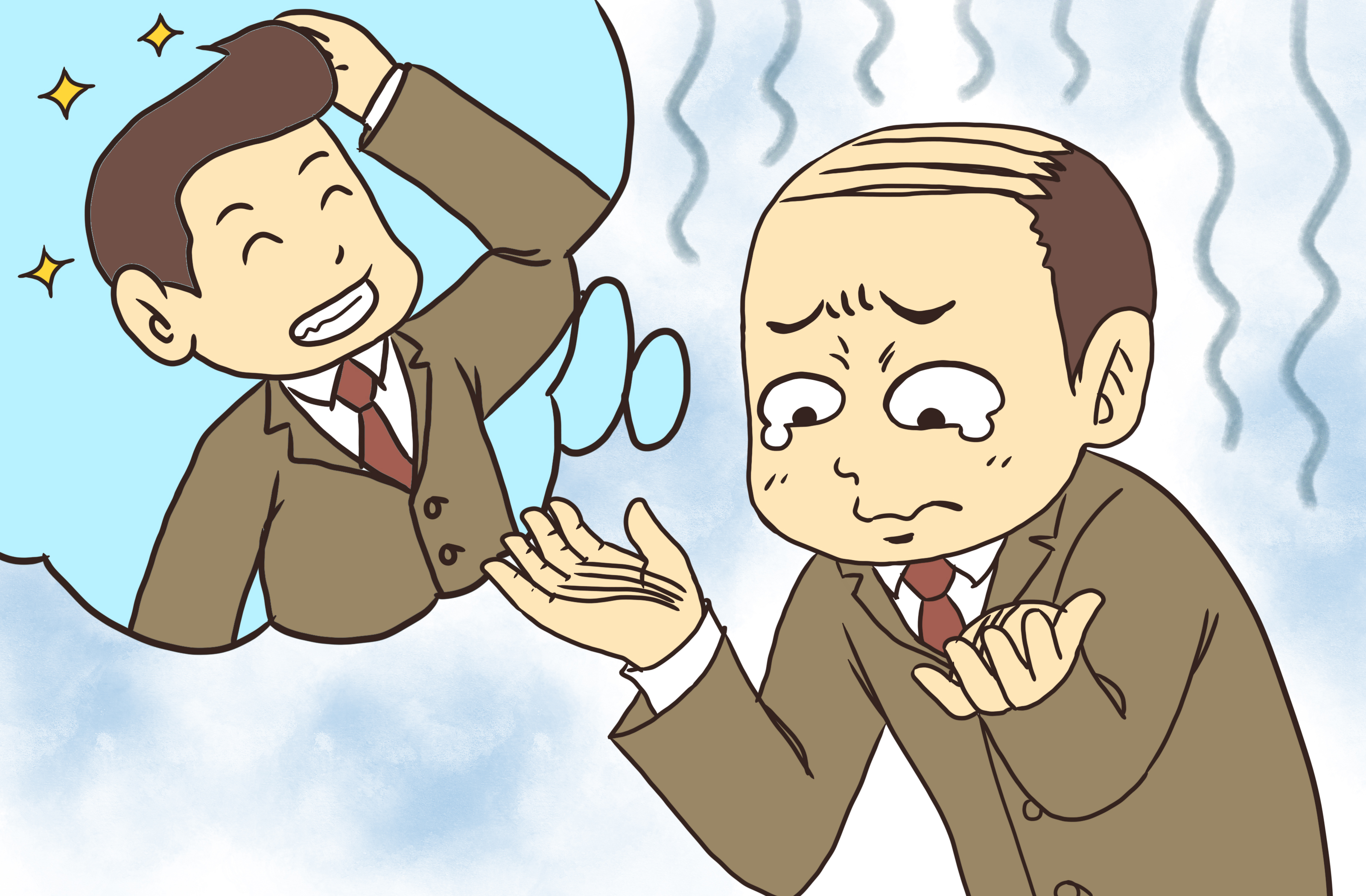
Early-onset alopecia (Alopecia Prematura) is a progressive hair loss disorder occurring in young adults, commonly known as androgenetic or hereditary alopecia. It is characterized by receding hairlines and thinning at the crown, with men affected more often than women.
1. Causes: Genetics and Hormones
Early baldness results from the combined effects of genetic predisposition and androgen metabolism.
Those with a family history are 3–5 times more likely to develop it. Mutations in genes like AR and EDAR increase follicular sensitivity to androgens.
High levels of Dihydrotestosterone (DHT) inhibit follicle metabolism and cause miniaturization.
Excess sebum or tight hats may worsen symptoms but are not primary causes.
2. Clinical Features: Gender Differences
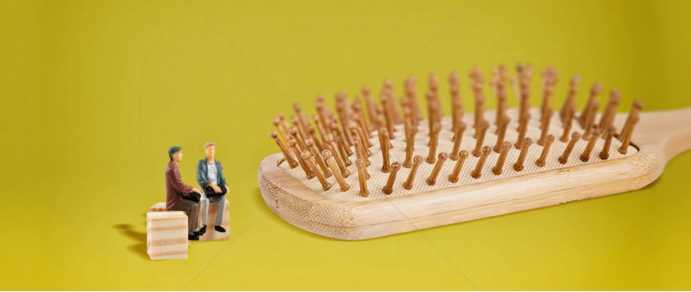
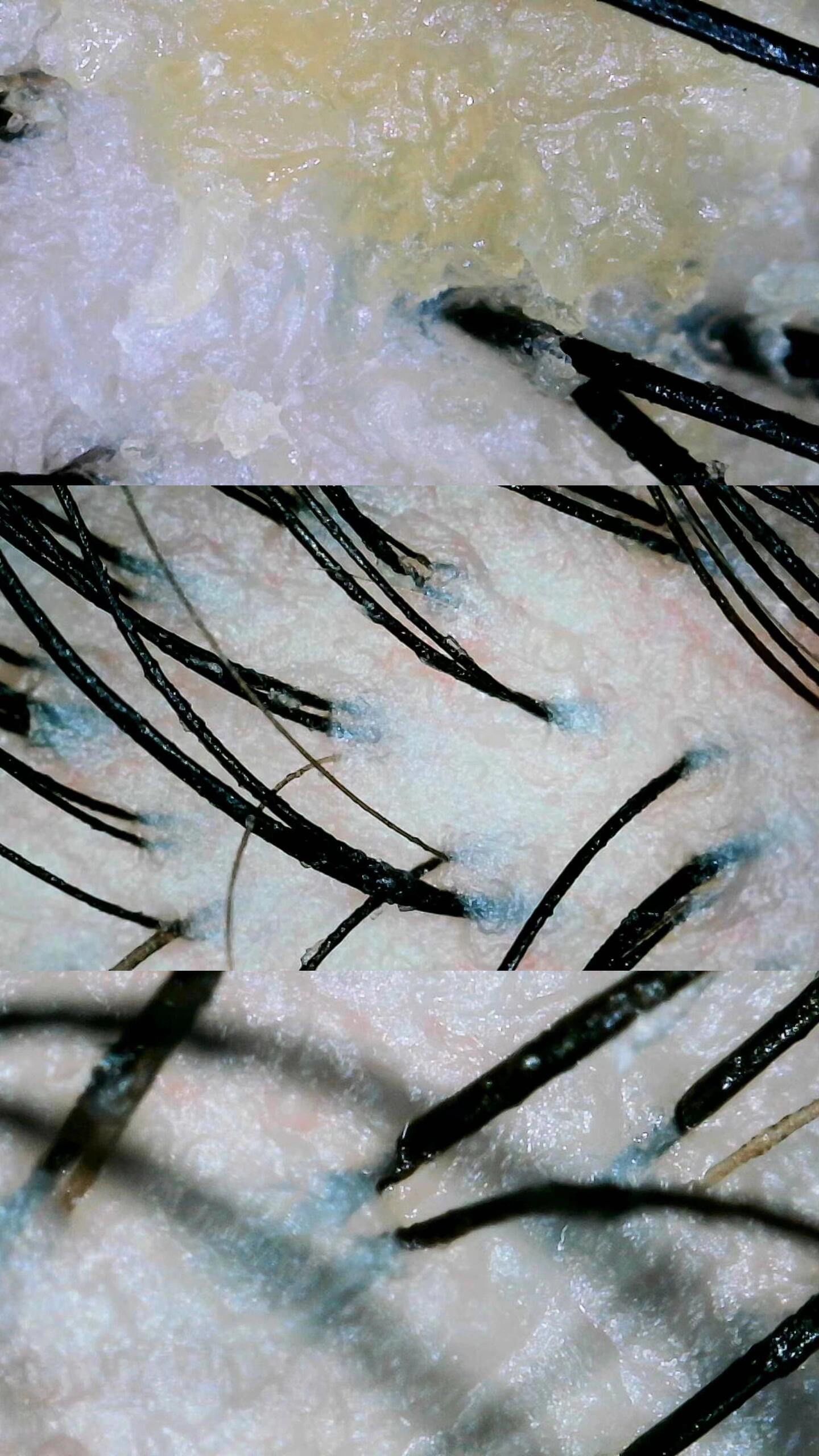
Men: Receding frontal hairline and crown thinning form "M" or "O" patterns. The scalp becomes smooth, and follicles atrophy.
Women: Diffuse thinning on the crown with preserved frontal hairline. Hair becomes finer, and regrowth is limited, often with mild irritation or tenderness.
Pathologically, the growth phase shortens, resting follicles increase, and dermal fibrosis progresses.
3. Diagnosis and Differential Evaluation
Diagnosis is based on family history, pattern, and progression.
Male "M/O-type" and female diffuse patterns are diagnostic.
Additional tests include:
Biopsy: To detect follicle atrophy;
Hormone tests: Measuring testosterone and DHT;
Scalp circulation scan: To assess blood flow.
Differentiation is required from alopecia areata, scarring, drug-induced, and nutritional hair loss.
4. Psychological and Social Impact
Though not life-threatening, early baldness greatly affects self-esteem and social confidence.
Around 60% of patients experience self-consciousness, 25% of men believe it limits career growth, and women show 20–30% lower quality-of-life scores due to anxiety or depression.
5. Prevention and Treatment
Lifestyle and Diet:
Reduce stress, maintain regular routines, avoid frequent dyeing, and eat protein- and mineral-rich foods.
Medical Treatments:
Finasteride: Inhibits 5-α-reductase, reducing DHT;
Minoxidil: Stimulates hair growth with continuous use;
Spironolactone: For women with hormonal imbalance;
Hair Transplantation: For severe cases, graft survival >80%.
Traditional & Nutritional Therapies:
Herbal formulas focus on nourishing the liver and kidneys.
Scalp massage and essential oils like rosemary improve circulation and follicle health.
6. Conclusion
Early-onset alopecia is a progressive, hormone-dependent hereditary condition.
Early detection and multi-dimensional treatment—combining medication, transplantation, and psychological care—can delay progression and restore confidence.
Emerging treatments such as stem cell therapy and low-level laser therapy hold promising future potential for patients.