

Hair Follicle Analysis: The First Line of Defense for Successful Hair Transplantation
Hair follicle analysis serves as the preoperative navigation for hair transplantation. It determines the scientific accuracy of the treatment plan and directly influences the final results.
1. Evolution of Diagnostic Devices
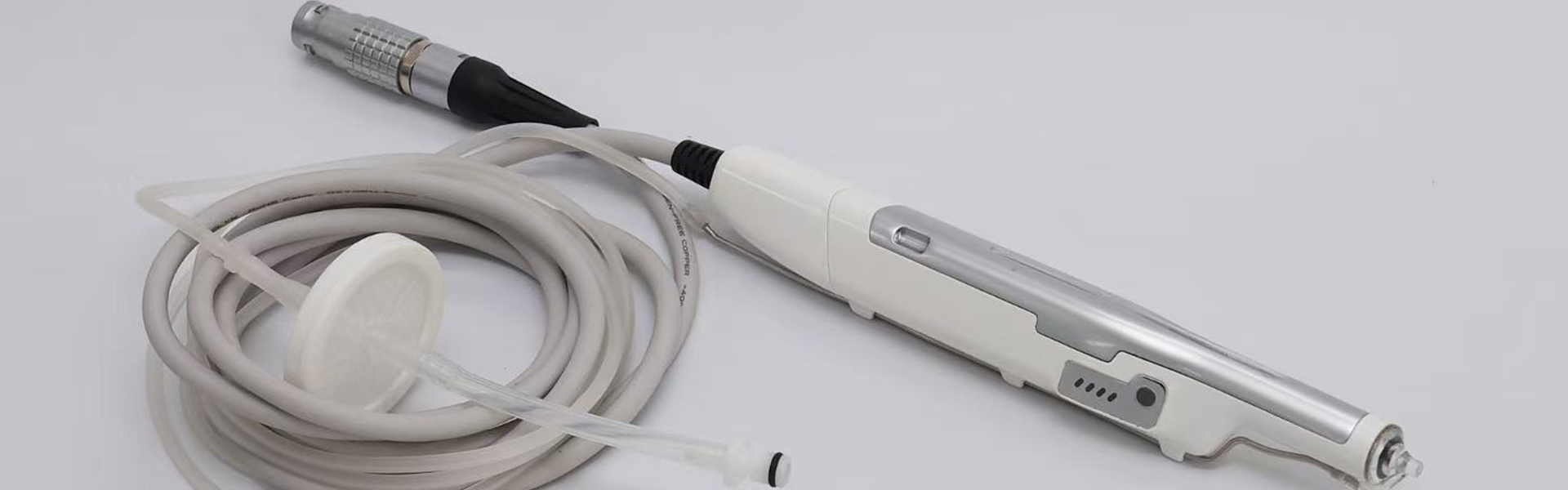
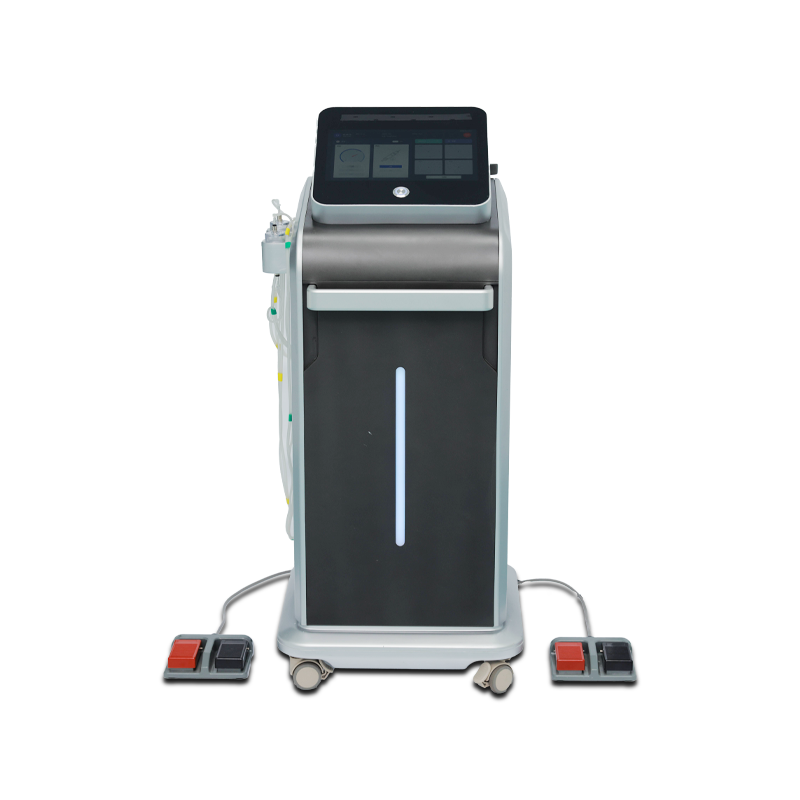
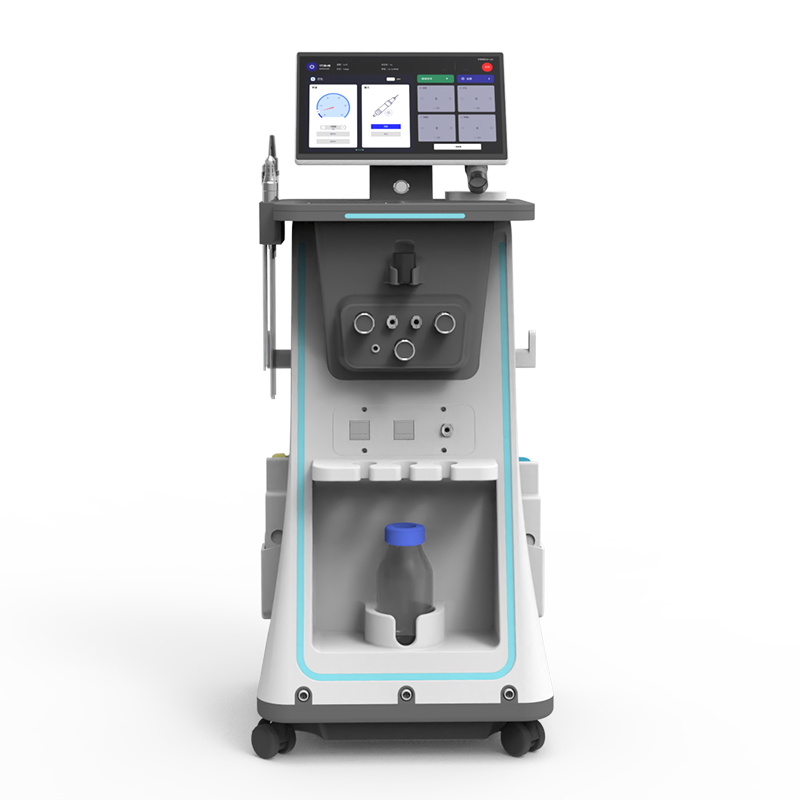
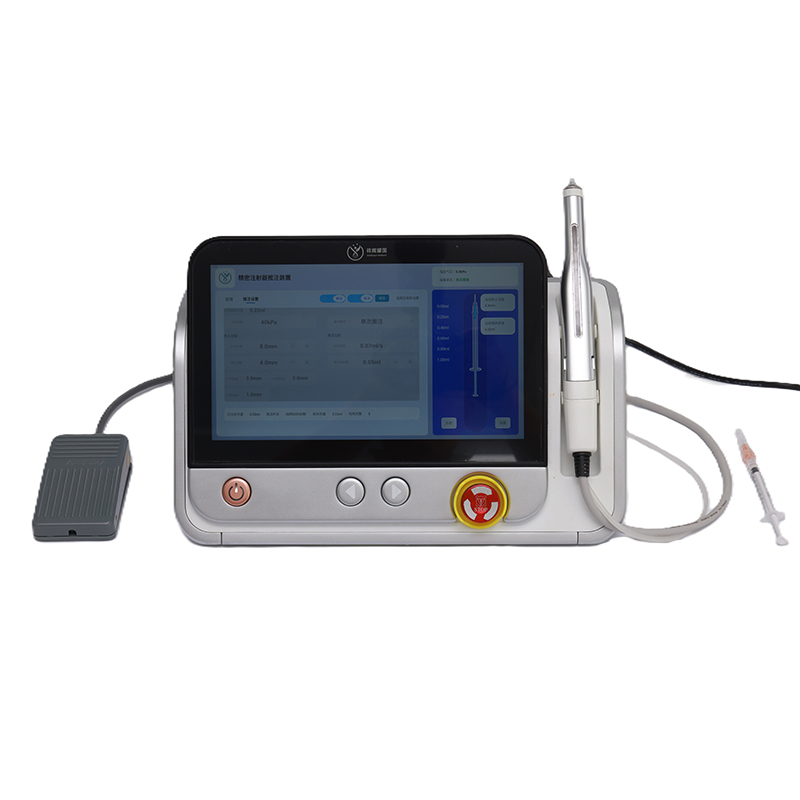
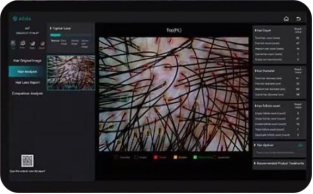
The mainstream tool is the digital trichoscope, with 50–200× magnification. It provides high-resolution images of follicle structures and scalp conditions, far beyond traditional magnifiers.
AI-powered trichoscopes automatically calculate follicle density and alopecia grades (e.g., Norwood scale), reducing error from ±15% to ±3% and improving planning accuracy by 40%.
2. Three Core Indicators of Follicle Evaluation
1. Follicle Density
Measured in 1cm² areas. Normal scalp density: 80–140 follicles/cm² on the crown and 100–160/cm² on the occipital donor area. A density below 60/cm² indicates significant hair loss.
2. Follicle Vitality
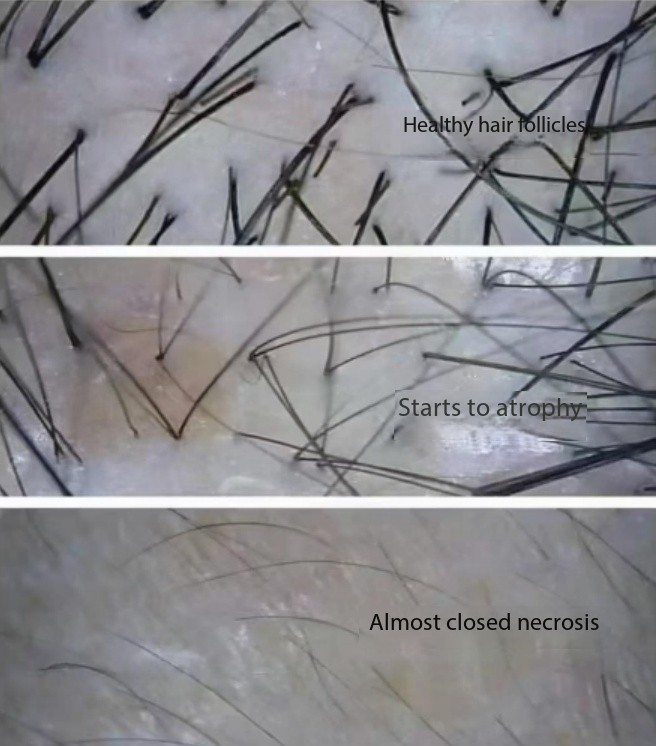
Healthy follicles are round with thick shafts (>0.06mm); degenerating follicles become thin (<0.04mm).
The terminal-to-vellus hair ratio should be ≥3:1. If lower, it signals declining vitality. Clinical data show that 38% of follicles with a 2:1 ratio can recover normal function after 6 months of treatment.
3. Follicle Health
Focuses on inflammation, blockage, and scarring:
Inflammation (e.g., seborrheic dermatitis) can reduce graft survival by 20–30%.
Blockage from excess sebum must be cleared for proper blood flow.
Scarring areas have poor circulation, dropping survival rates below 50%.
3. Donor vs. Recipient Area Assessment
| Aspect | Donor Area (Occipital) | Recipient Area (Crown) |
|---|---|---|
| Purpose | Assess total usable follicles | Define required graft count and layout |
| Key Metrics | Density, healthy follicle ratio | Balding area, scalp elasticity |
| Precautions | Avoid post-extraction thinning or scarring | Match natural hair direction and planting depth |
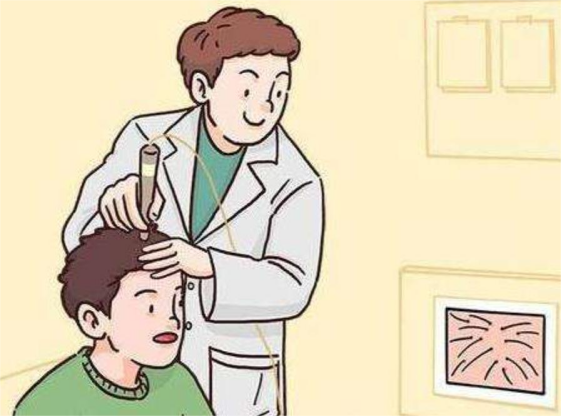
Example: For a Norwood IV patient (150cm² bald area), around 1500–2000 grafts are needed. Adjust planting density based on scalp elasticity to maintain blood flow.
4. Common Misconceptions
Testing Only the Donor Area: The recipient scalp's health also determines graft survival. Treat inflammation before surgery.
One-Time Testing Is Enough: Hair loss is progressive; re-evaluate every 3 months if surgery is delayed.
High Density Equals Good Vitality: A donor area with 120 follicles/cm² but a 1:1 terminal/vellus ratio has less than 50% usable follicles.
5. Conclusion
Comprehensive follicle testing must cover density, vitality, and health, generating detailed visual reports.
Patients should select clinics providing complete, data-driven assessments rather than subjective evaluations.
Accurate follicle analysis is not just a diagnostic step—it's the foundation for safe, personalized, and successful transplantation.
