



Hair Transplant Evolution: From Scarring to Intelligent Precision
Over the past century, hair transplantation has evolved from manual grafting to precision-driven intelligent systems.
Follicle survival rates have risen from 60% to over 95%, shifting the focus from "coverage" to "aesthetic naturalness."
The main techniques include FUT (strip method), FUE (scarless extraction), contactless autologous transplantation, and robotic hair restoration.
1. FUT – The Classic Large-Scale Solution
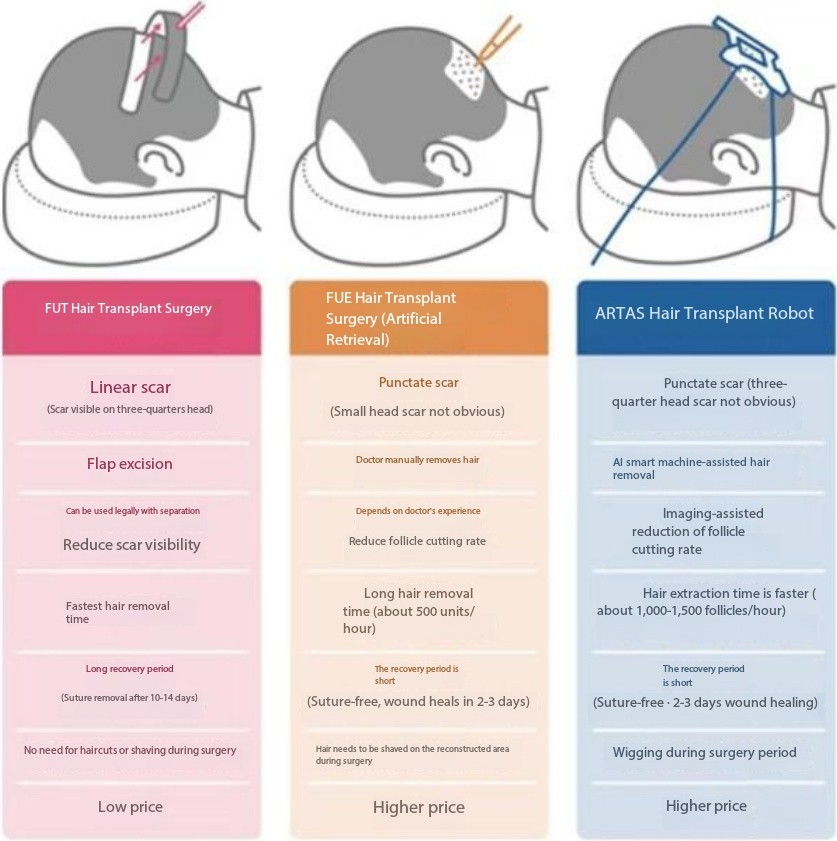
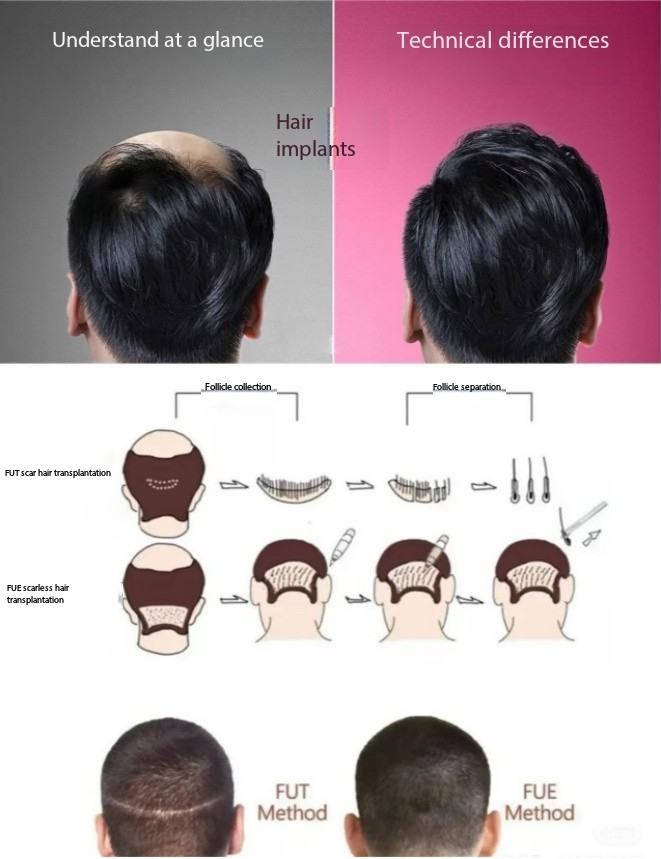
FUT involves removing a strip of scalp from the donor area, microscopically separating follicular units, and reimplanting them.
It can harvest 3,000–5,000 grafts in one session, ideal for advanced hair loss (Norwood III+).
Survival rates reach 85–90%, and cost efficiency is high.
However, it leaves a linear scar and requires longer recovery and an experienced surgical team.
2. FUE – The Era of Scarless Transplantation
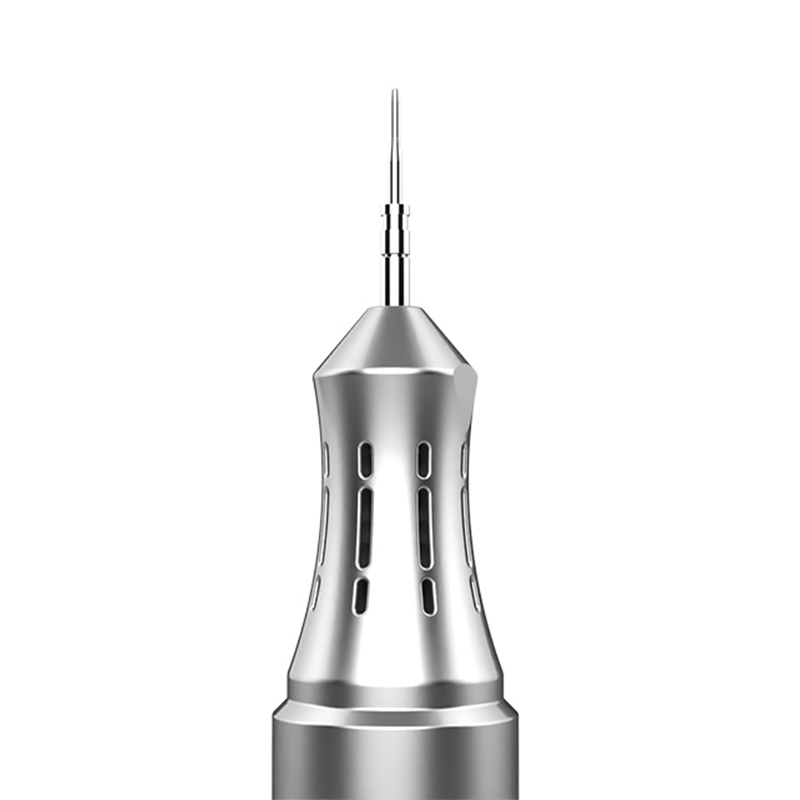
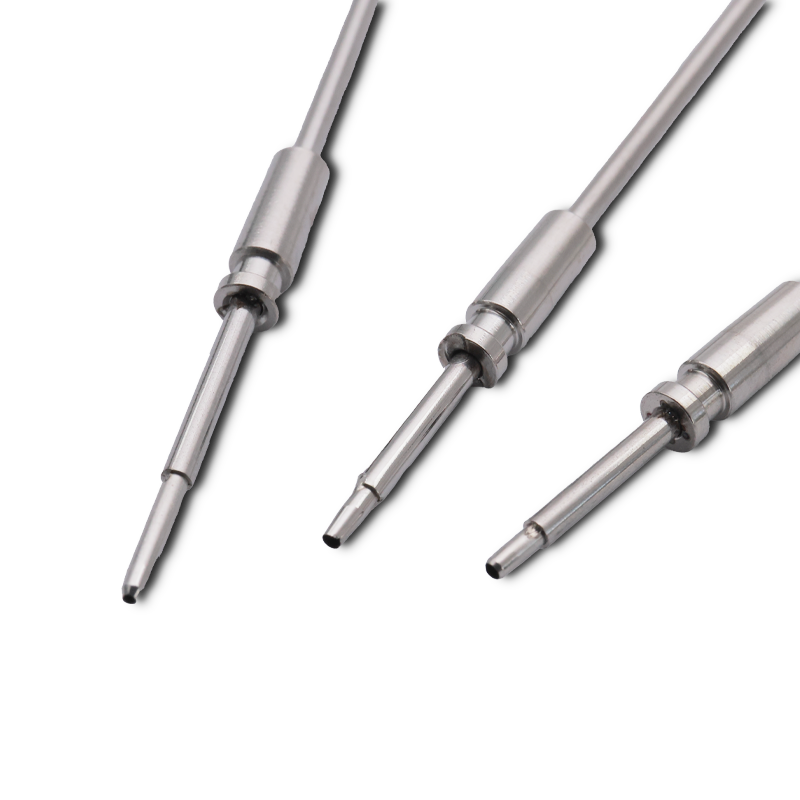
FUE uses 0.6–1.2mm micro punches to extract individual follicles directly.
Scars are virtually invisible, recovery is fast, and it suits small-to-medium transplants.
Survival rates are 80–85%, ideal for <2,000 grafts.
It's more expensive and technically demanding; incorrect angles can cause up to 40% follicle damage.
Using blunt-tip extraction reduces injury by 30%.
3. Contactless Autologous Transplant – A Micro-Invasive Breakthrough
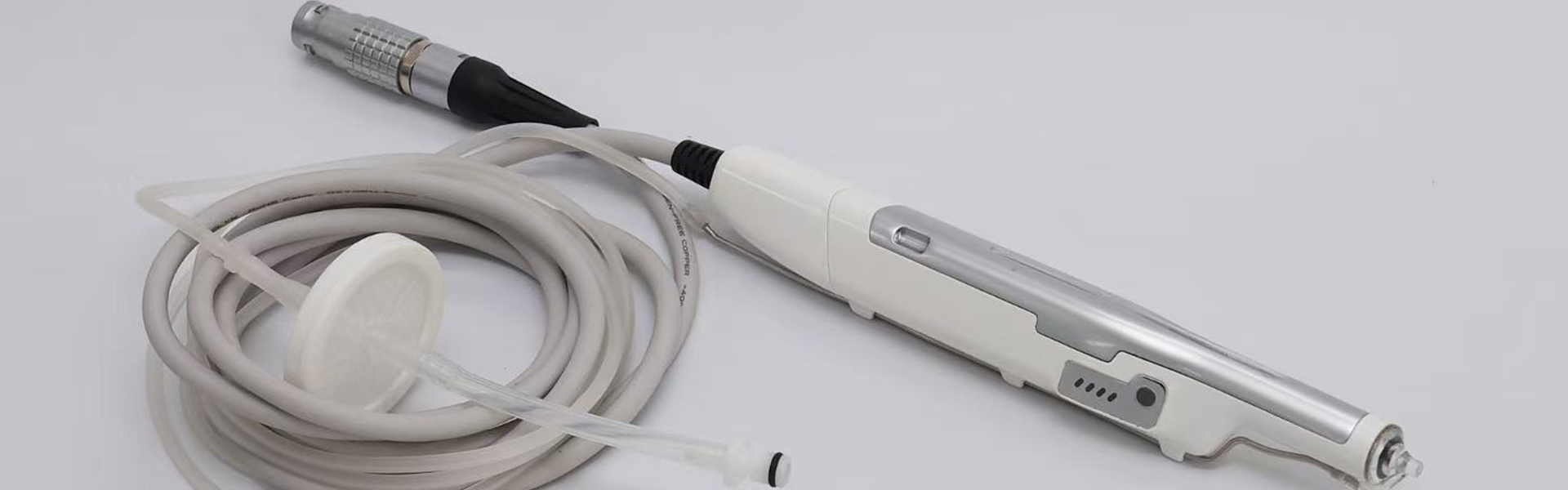
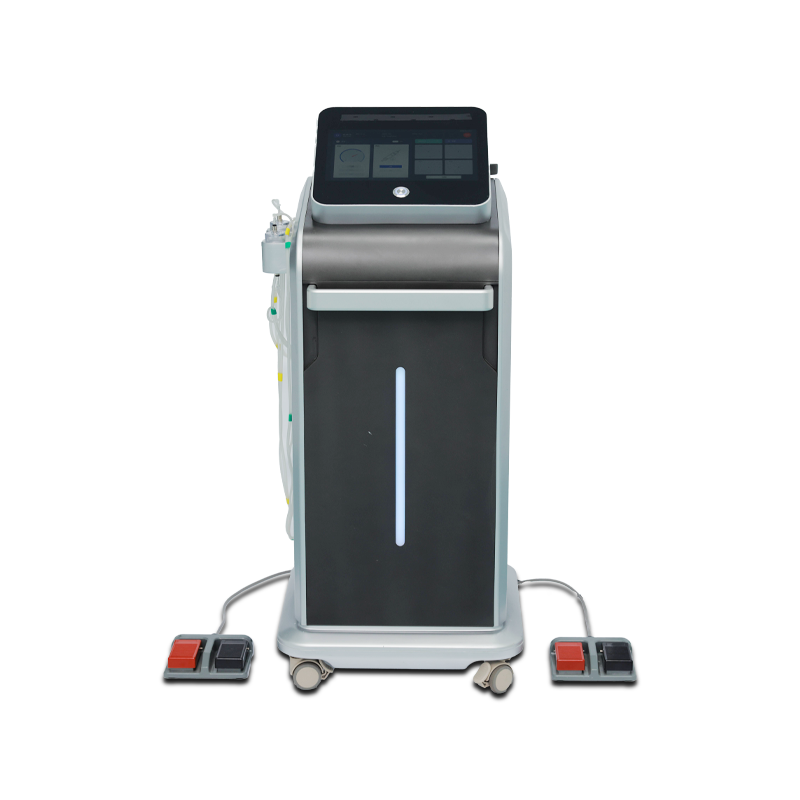
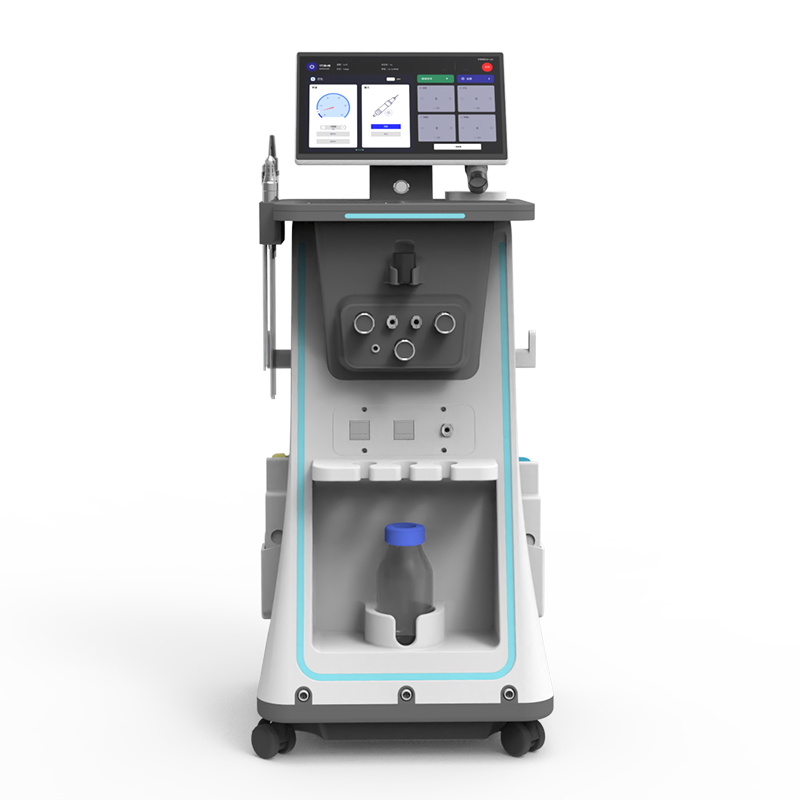
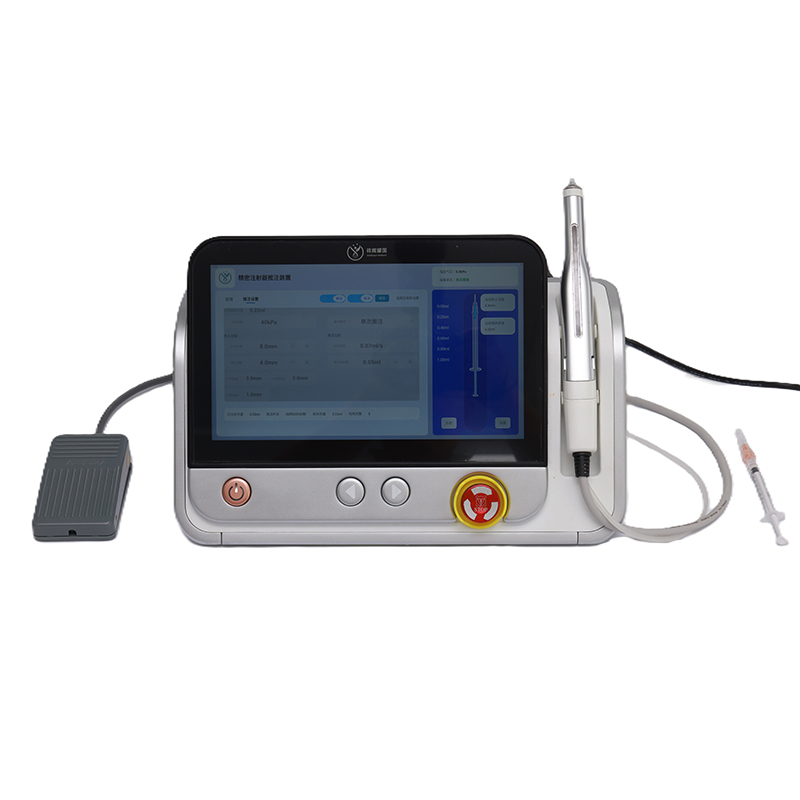
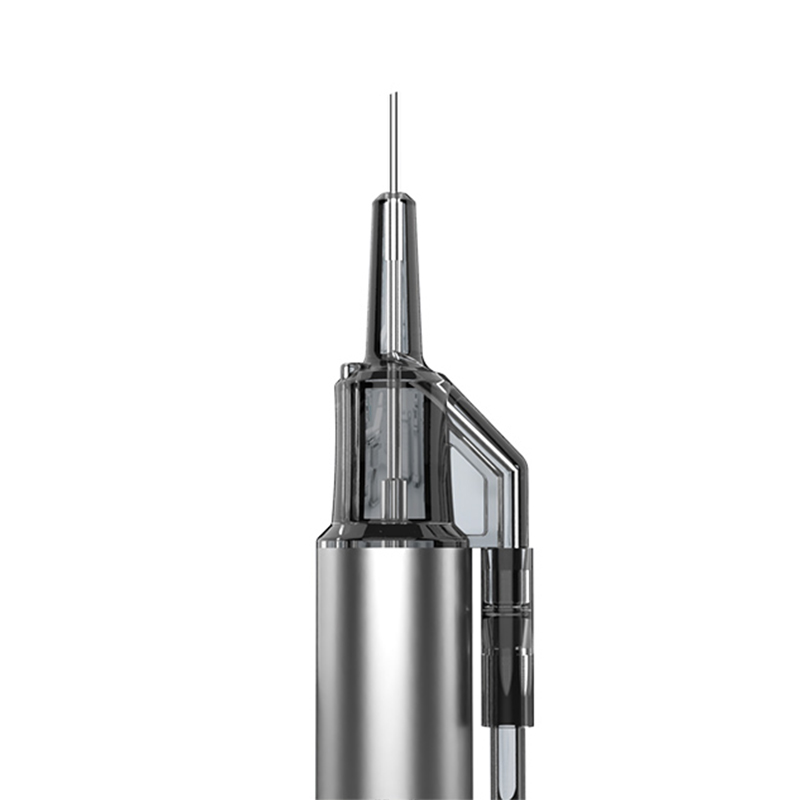
Developed by Shanghai Fuyouyi Medical Technology, this next-gen FUE system achieves "zero-contact" extraction.
Innovations include non-separated follicular units, isovolumetric implantation, and automated negative-pressure transfer.
Average follicle survival is 94.6%, with wound size reduced by 50% and scar visibility under 2%.
Procedure time for 3,000 grafts is only 2.5 hours, and patients can wash hair within 24 hours.
It represents the future direction of minimally invasive, high-efficiency hair restoration.
4. Robotic Hair Transplantation – The Smart Future
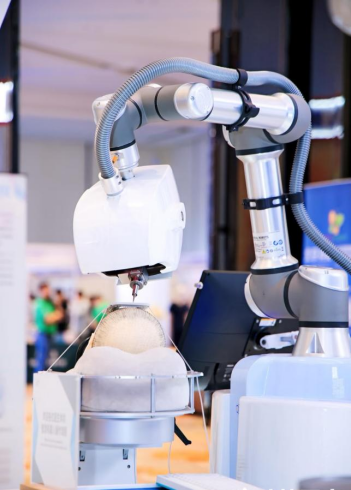
Systems like ARTAS and HAIRO integrate AI and robotics for full automation.
Key features: 3D scalp mapping (0.1mm precision), 98% AI accuracy, and robotic arm control with ≤1° deviation.
It minimizes bleeding by 40% and improves graft survival to 98%.
Ideal for large-scale transplants (>4,000 grafts), with 50% higher efficiency.
However, high equipment cost (US$400k–700k) limits accessibility to premium clinics.
5. Future Outlook and Selection Guide
Choose technique based on hair loss level and goals:
Severe loss: FUT or staged FUE
Moderate loss / short hair: FUE or contactless method
High-precision / luxury demand: Robotic systems
The future lies in micro-invasive, AI-assisted, and aesthetic customization, combining stem cell therapy and intelligent modeling to redefine modern hair transplantation.
