

Innovative Air and Fluid System Design for Modern Hair Transplant Devices
In the evolution of hair transplantation, the air and fluid circulation systems are the core channels that determine surgical efficiency, safety, and follicle survival rate. Despite advancements in FUE technology, traditional devices still face key issues such as poor fluid management, inconsistent pressure control, and incompatible interfaces.

1. Limitations of Traditional Systems
Single-Channel Design with Low Efficiency
Conventional airways provide power but cannot simultaneously remove blood and tissue fluid. In every 100 follicle extractions, 0.5–1ml of fluid accumulates, forcing frequent cleaning interruptions and extending surgery by 40–60 minutes. This increases extraction deviation by 15–20%.Backflow and Infection Risks
Vacuum pressure fluctuations can cause backflow contamination, clogging rates reach 23%, and infection rates rise to 1.2%, exceeding industry standards.Manual Pressure Control
Fixed pressure fails to adapt to scalp variability. Too low pressure reduces success rates below 75%, while excessive pressure increases tissue tearing to over 20%, lowering follicle survival by 12–18%.Interface Incompatibility
Different handles require separate tubes, each swap taking 30–60 seconds. For a 3000-graft procedure, this adds 2.5–5 hours and raises bacterial contamination risk by nearly 10%.

2. Technological Innovations of the New System
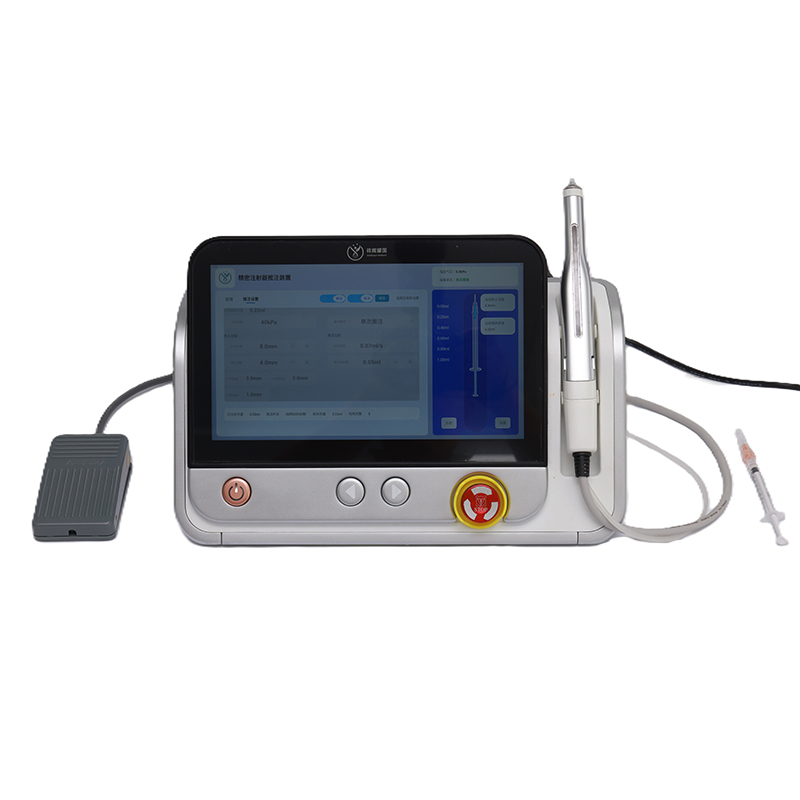
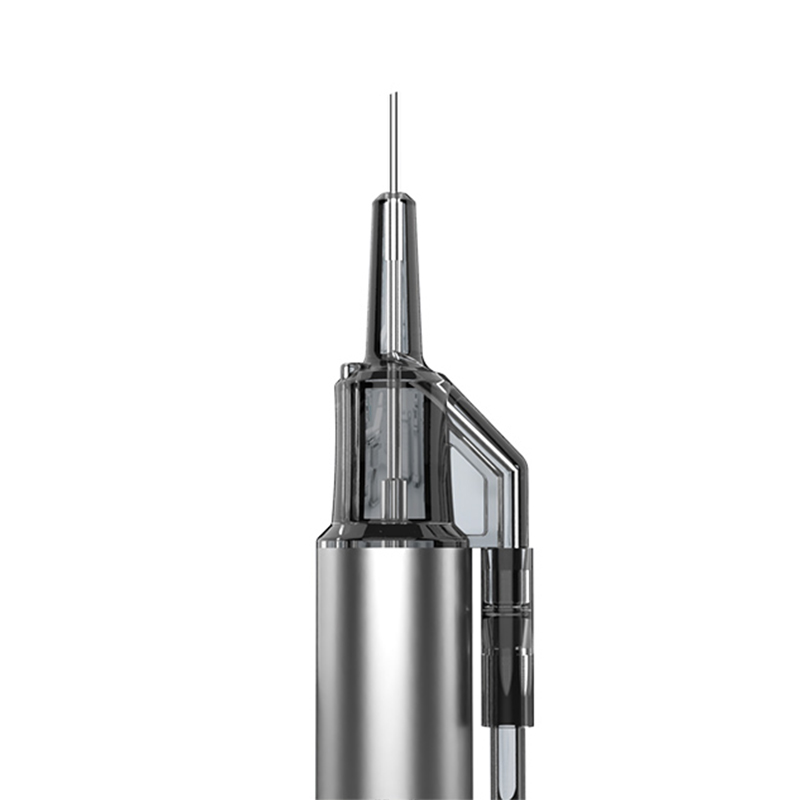
Dual-Channel Airway for Synergized Operation
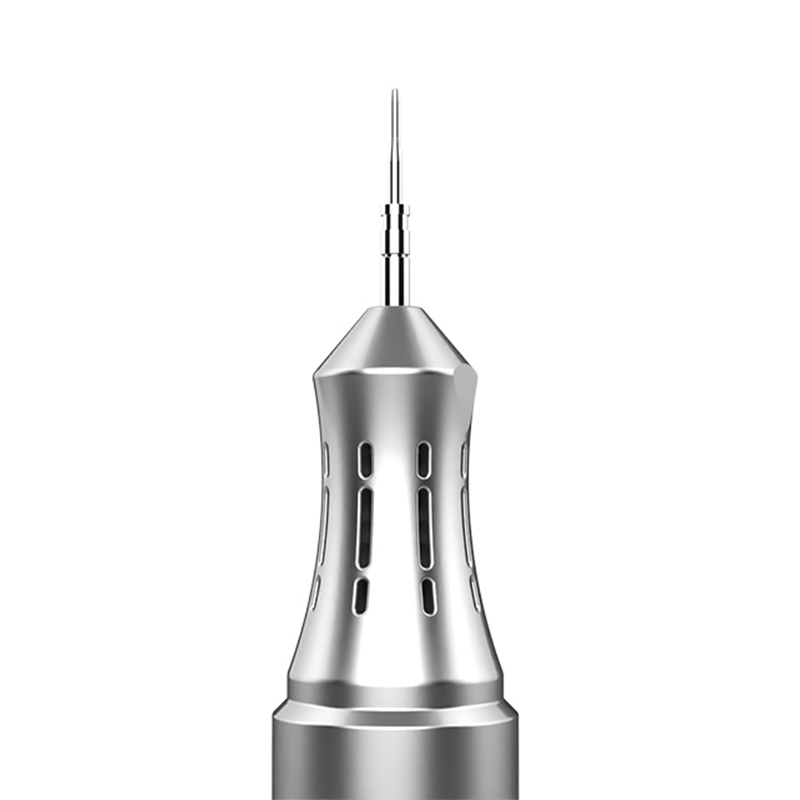
Power and cleaning airways work in parallel. The power circuit delivers precise punching control, while the cleaning circuit removes fluids via a micro negative-pressure pump. It maintains a clear field, reduces interruptions by 80%, and shortens surgery time by up to 40%.Triple Anti-Backflow Protection
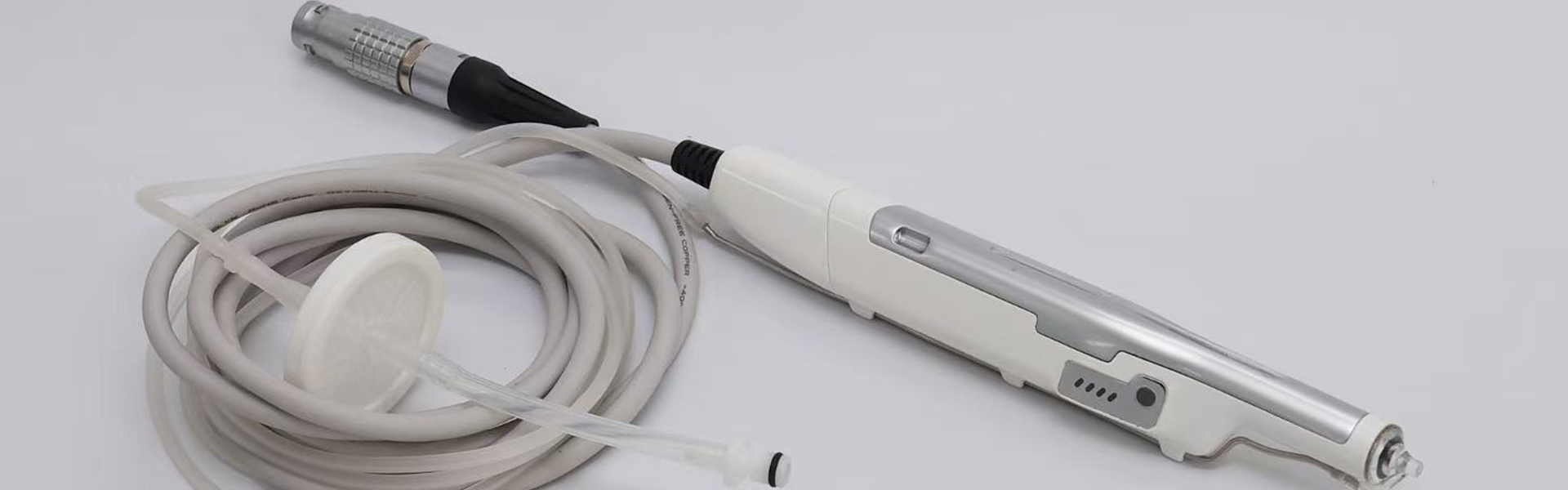
A three-layer "intercept–filter–separate" design includes a mesh filter, vacuum-air filter combo, and liquid–gas separator. This reduces clogging to below 3% and cuts maintenance costs by 60%.Universal Interface with Smart Feedback
ISO-compliant quick-connect ports prevent misalignment. Real-time pressure and flow data minimize operational errors by 90%. Antibacterial coatings (0.5% Ag+) reduce microbial adhesion by 99%.Modular Integrated Design
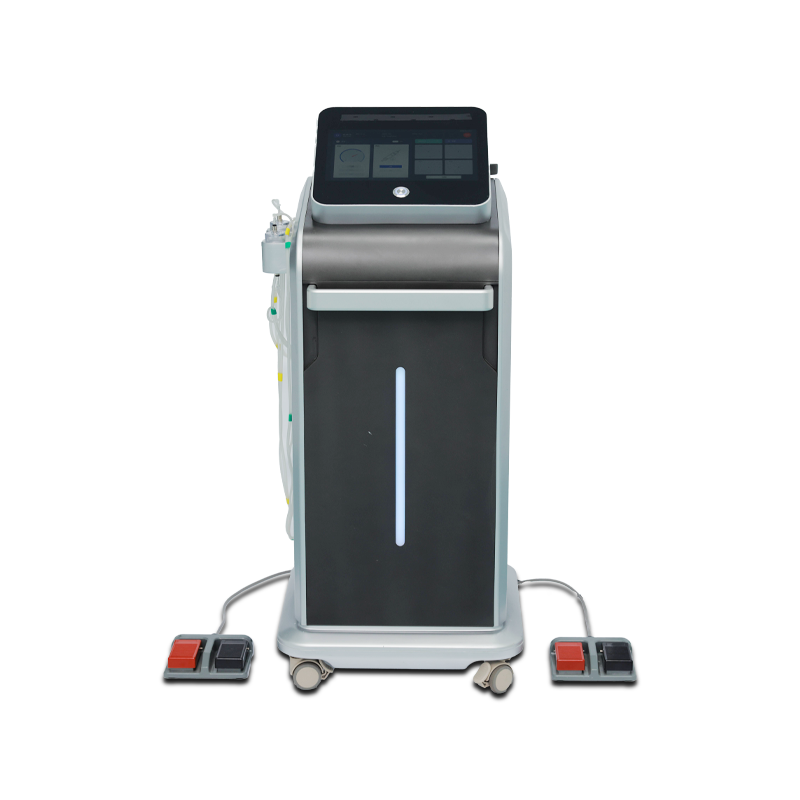
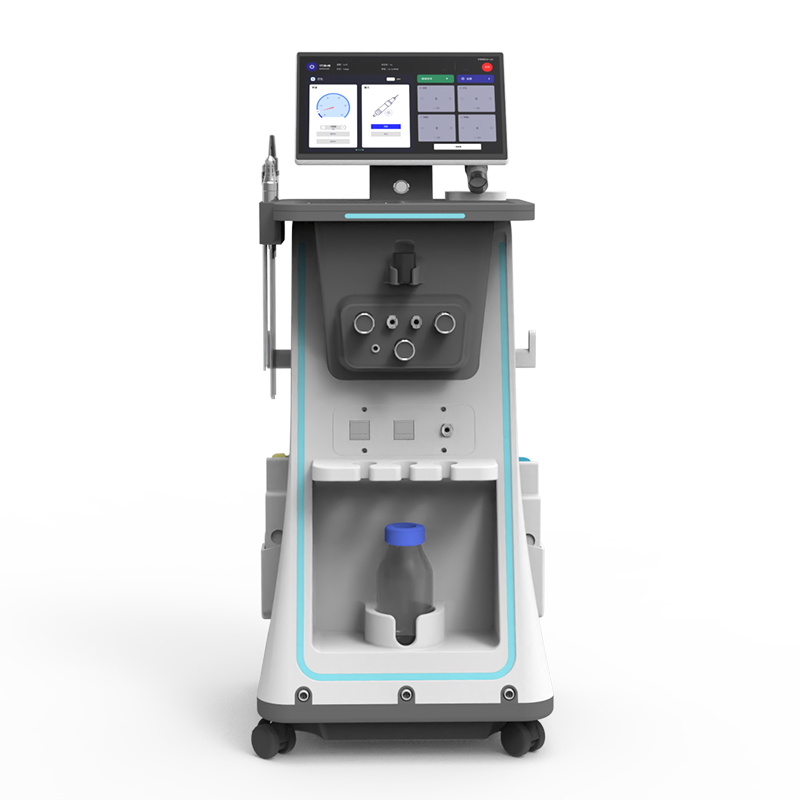
The integrated air divider, electronic control, and filtration system cut pipe joints by 50% and weight by 40%. Components support 134°C sterilization, reducing cleaning time from 2 hours to 30 minutes and allowing portable operation.
3. Clinical Value and Future Outlook
Clinical results show that with this new system, a 3000-graft procedure is reduced from 5 hours to 2.5–3 hours, follicle survival exceeds 92%, and patient satisfaction reaches 96%.
The innovation integrates power delivery, environmental control, and safety protection into a unified system, transforming hair transplantation from "experience-based" to "precision-controlled."
Future iterations will leverage IoT and AI for real-time pressure optimization and flexible tube design, advancing the field toward smarter, safer, and more user-friendly transplant devices.
