



Personalized Hair Transplant Aesthetics: Balancing Nature and Design
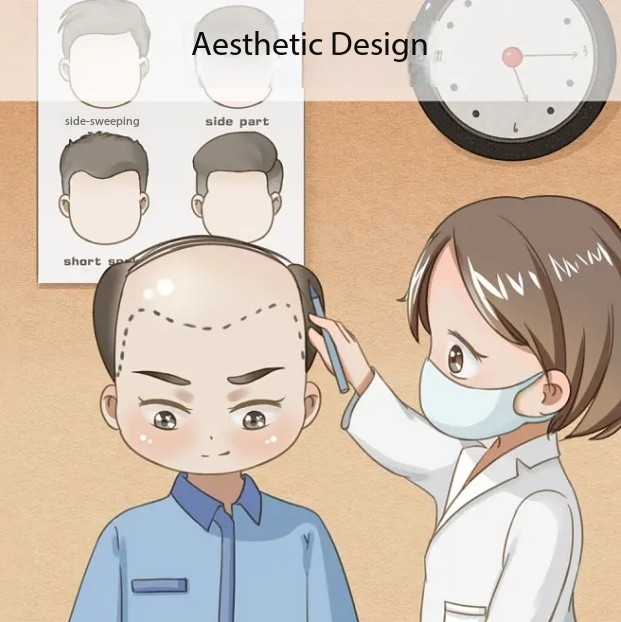
Hair transplant aesthetics are more than relocating follicles. The true essence lies in blending medical precision with artistic design, ensuring transplanted hair becomes a seamless extension of one’s natural image. The goal is to respect natural growth laws, harmonize with facial proportions, and anticipate future aging so that the results look authentic, balanced, and lasting.
Core Principles of Hair Transplant Aesthetics
Biomimicry
The design must mimic natural biology. Follicles at the crown grow upright at 70°–90°, frontal corners tilt outward at 30°–45°, and the temple region follows an arched pattern along the ear. Randomized follicle distribution prevents the rigid “row planting” effect and recreates the “chaotic yet ordered” look of real hair. Clinical data confirm that using natural angles reduces the recognition of artificial traces by 62%.Proportional Harmony
The hairline should fit the “three parts, five eyes” principle: the distances from hairline to brow ridge, brow ridge to nose base, and nose base to chin should be equal, with an error of ≤5mm. In practice, men usually require a hairline height of 6–8cm, while women fall within 5–7cm. Round faces look better with slightly higher hairlines, long faces benefit from lowering 1–2mm, and square faces require softer curves to reduce harshness.Dynamic Balance
Follicle density must be designed with gradual transitions. Typically, density decreases by 5–10 follicles/cm² between adjacent zones, ensuring smooth blending with native hair. Future changes must also be considered: patients in their 20s may need denser frontal density for short styles, while those over 40 require preserved crown volume for longer hairstyles. Clinical tracking shows designs applying this principle achieve 89% satisfaction even after five years.
Key Design Dimensions
Hairline Design
The hairline forms the first contour of facial aesthetics. Natural irregular shapes—zigzag or wavy—are preferred over straight lines. A transitional vellus zone of 0.5–1cm with thinner follicles (0.3–0.5mm) ensures realism.Men often maintain moderate sharpness at the temples, avoiding overly square outlines.
Women usually favor curved temple connections that soften the overall look.
Younger patients may keep a widow’s peak (≤1.5cm wide), while older patients should adopt blurred, softened edges to simulate natural aging.
Follicle Density and Distribution
Natural density follows gradients:Frontal core and crown: 50–60 follicles/cm²
Temples: 30–40/cm²
Back transition zone: 20–30/cm²
Male patients may increase temple density for contouring, while female designs reduce density by 5–10/cm² for softness. Hair type matters: coarse hair (>0.08mm diameter) requires 10%–15% reduction, while fine hair (<0.06mm) benefits from a 5%–10% increase.Direction and Angle
Natural growth patterns must be replicated:Hairline: 30°–45° outward tilt
Crown: radiating outward from the whorl
Temples: 15°–25° tilt along the ear contour
Within 1cm², follicle angles should vary ±5° to avoid uniformity. Short hair demands strict control (≤3°), while long hair allows ±10° as long as roots fall naturally.
Customized Solutions
Male Patients
Men commonly experience M-type recession (temples), O-type thinning (crown), or combined patterns.
M-type repair: temples reconstructed with 0.5–1cm inward curves, creating smooth arcs.
O-type repair: crown designed with a radiating pattern, density 55–60 follicles/cm² at the center, decreasing by 5/cm² per 1cm outward.
Style considerations: business professionals often prefer subtle, lower hairlines, while artistic or creative professionals may emphasize angular contours.
Female Patients
Women usually show diffuse thinning or temple recession.
Hairline: 20%–30% fine follicles at the edges mimic baby hair; temples adopt crescent-shaped transitions.
Crown: even grid-like distribution at 40–50 follicles/cm² avoids patchy concentration.
Hairstyle compatibility: reserving 5%–10% natural spacing at the crown ensures both loose and tied hairstyles look natural.
Special Needs
Scar Repair: density reduced 20%–30% in low-blood-supply areas; follicles angled 45° against scar edges to camouflage outlines.
Beards and Eyebrows: beard transplants emphasize density around the lips compared to the chin. Eyebrows follow a “dense head, sparse tail” gradient, using fine follicles (0.15–0.2mm).
Technology Enhancing Aesthetics
3D Preoperative Simulation: Laser scanning builds precise head models and simulates outcomes across hairstyles, with <3% error.
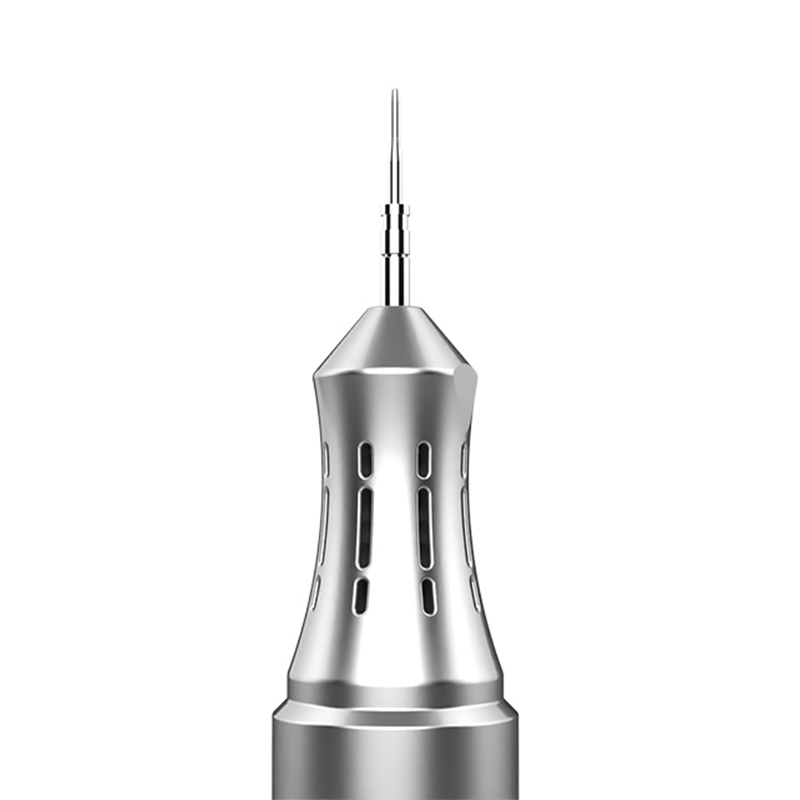
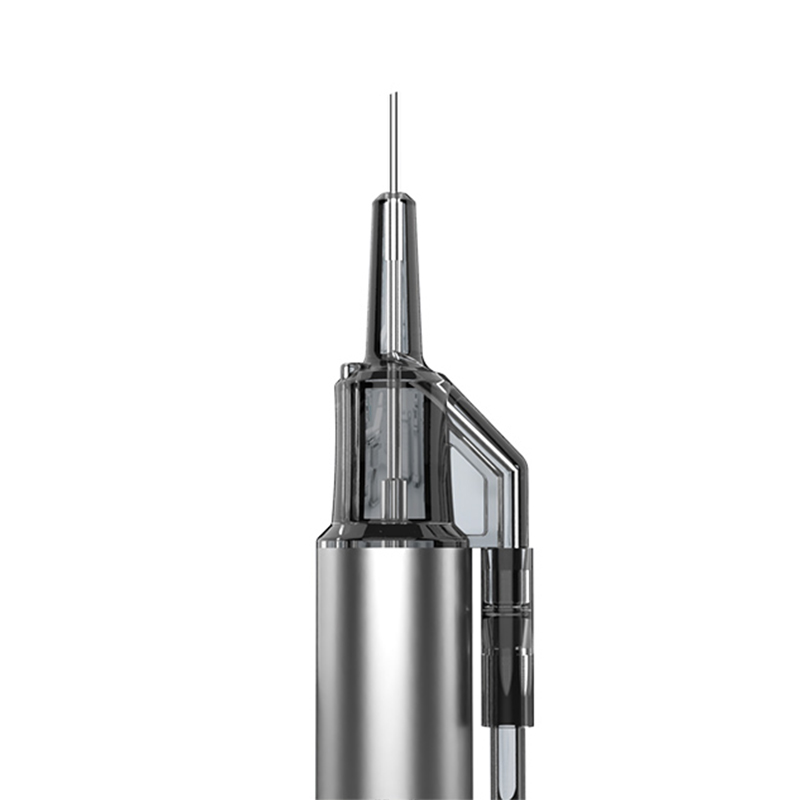
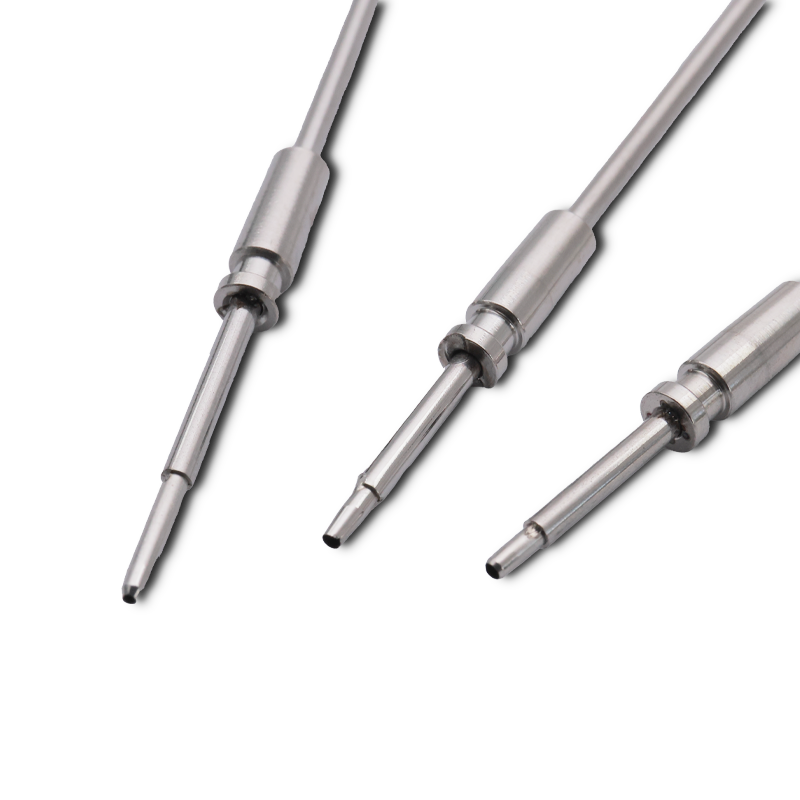
Microscopic Implantation: Using 0.6–0.8mm tools ensures follicle placement with ≤2° direction error and ≤0.3mm depth error.
Staged Transplantation: For large cases (≥2000 follicle units), 2–3 sessions spaced 3–6 months apart are recommended to maintain blood supply and avoid over-dense single procedures.
Common Pitfalls
Excessive Density
Planting beyond 60 follicles/cm² exceeds scalp carrying capacity, causing over 50% follicle loss and producing a stiff, “wig-like” look.Template-Based Designs
Copying a standard hairline without adapting to face shape creates imbalance—for example, imposing a round low hairline on a long face.Ignoring Aging
Natural hairline recession of 1–2cm after age 40 must be anticipated; otherwise, transplanted zones will stand out against aging areas.
Conclusion
The highest standard of hair transplant aesthetics is “undetectable design.” Transplanted hair should appear as a natural extension of personal image rather than a modification. Surgeons must combine three competencies: biological expertise, mastery of aesthetic proportions, and sensitivity to personal temperament.
The final outcome should achieve three benchmarks: indistinguishable from natural hair at a distance, seamless under close inspection, and still harmonious with aging years later. As transplant aesthetics expert Dr. Robert said: “The best hair design is when everyone notices your new hairstyle, but no one realizes it was transplanted.”
