Technological Breakthroughs in Hair Transplant Devices: A Complete Solution to Industry Challenges
As hair loss becomes increasingly common, the transplant industry faces critical challenges: low follicle precision, limited survival rates, long surgery times, uneven results, safety risks, and overreliance on surgeons.
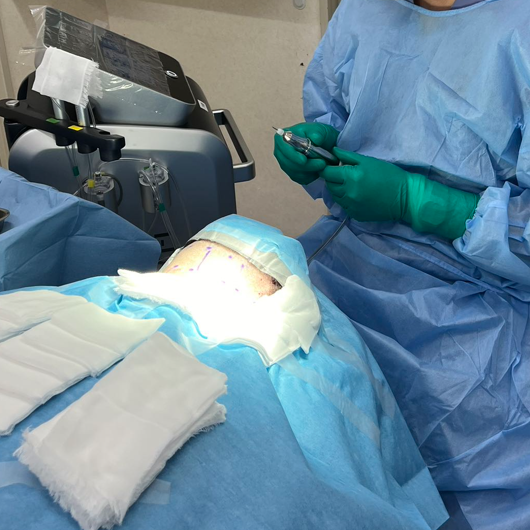
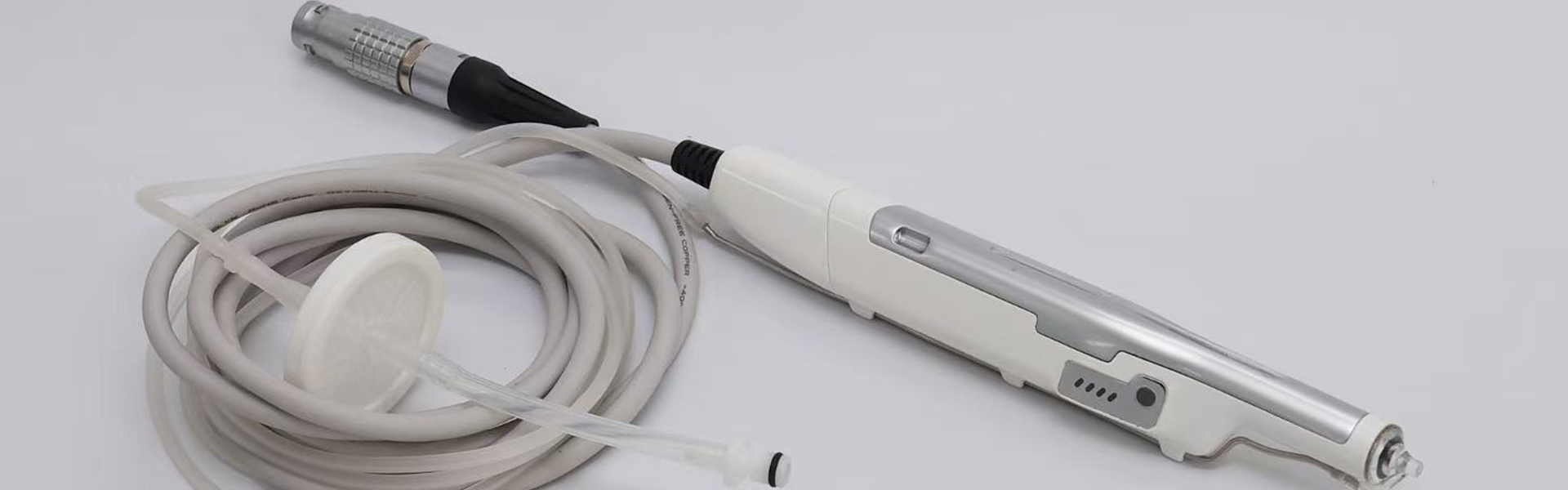
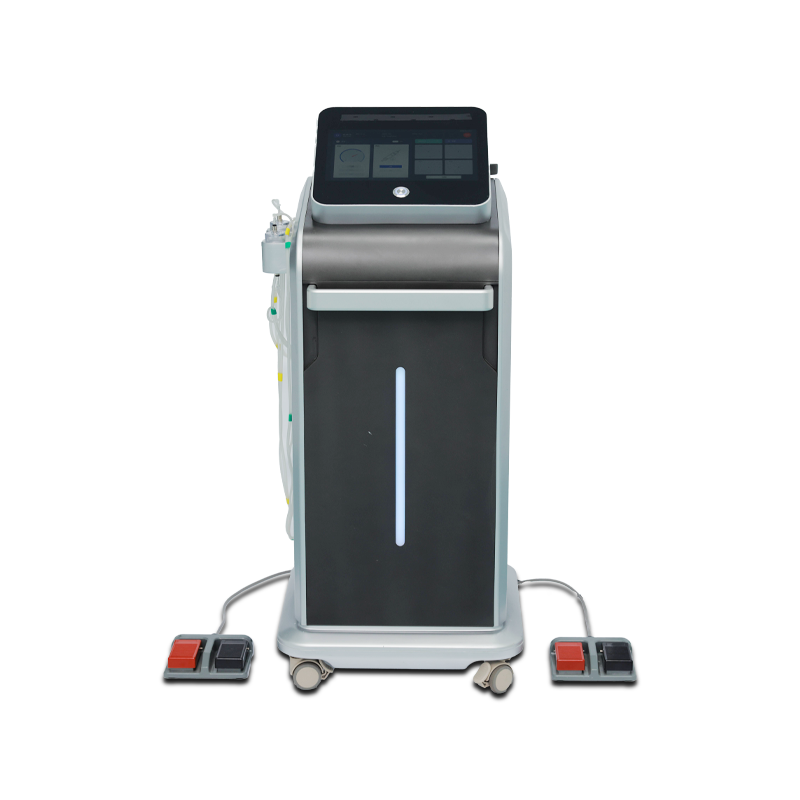
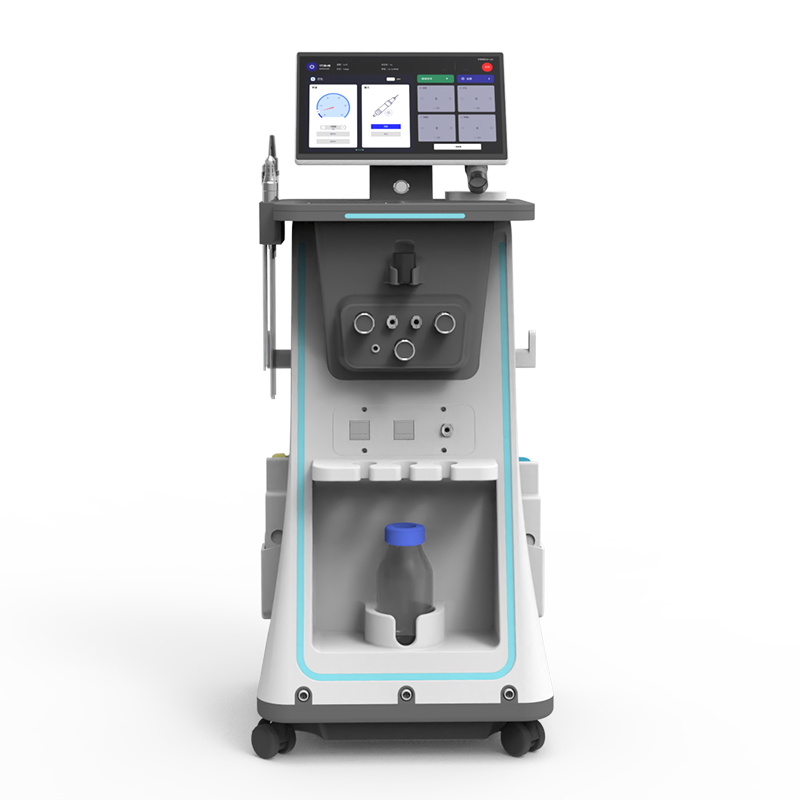
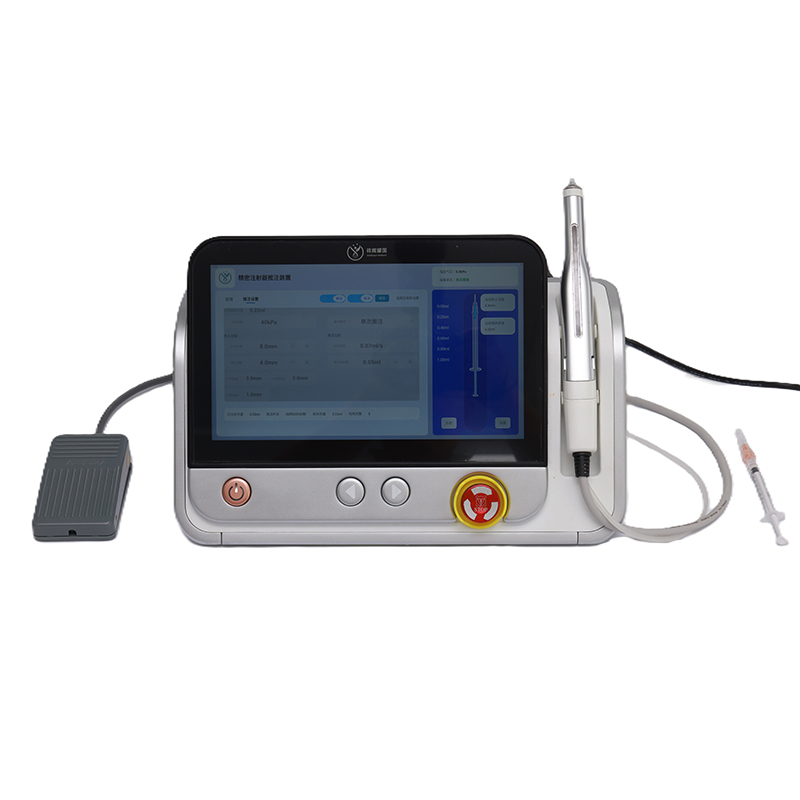
Our intelligent hair transplant devices address these six core issues with cutting-edge technology to improve precision, efficiency, and safety.

1. Enhanced Follicle Extraction Precision
Traditional manual extraction has a transection rate of 5–8%, reducing graft viability.
Our AI visual recognition system with 3D imaging identifies each follicle's position, depth, and angle in real time.
This reduces transection rates to under 2% and ensures stable accuracy even with fine or curly hair, supported by dynamic motion compensation technology.
2. Higher Follicle Survival Rates
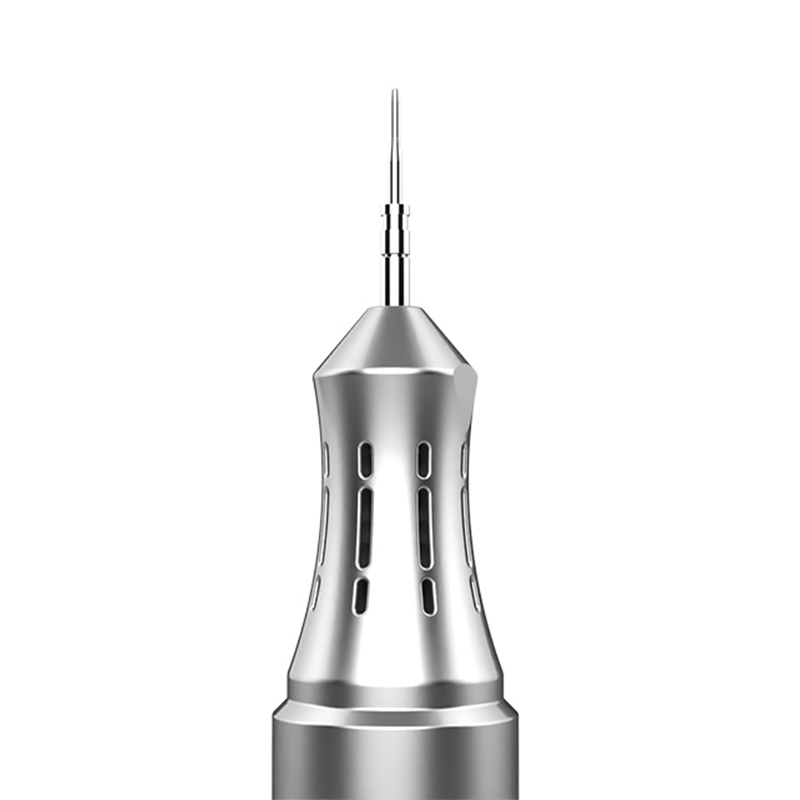
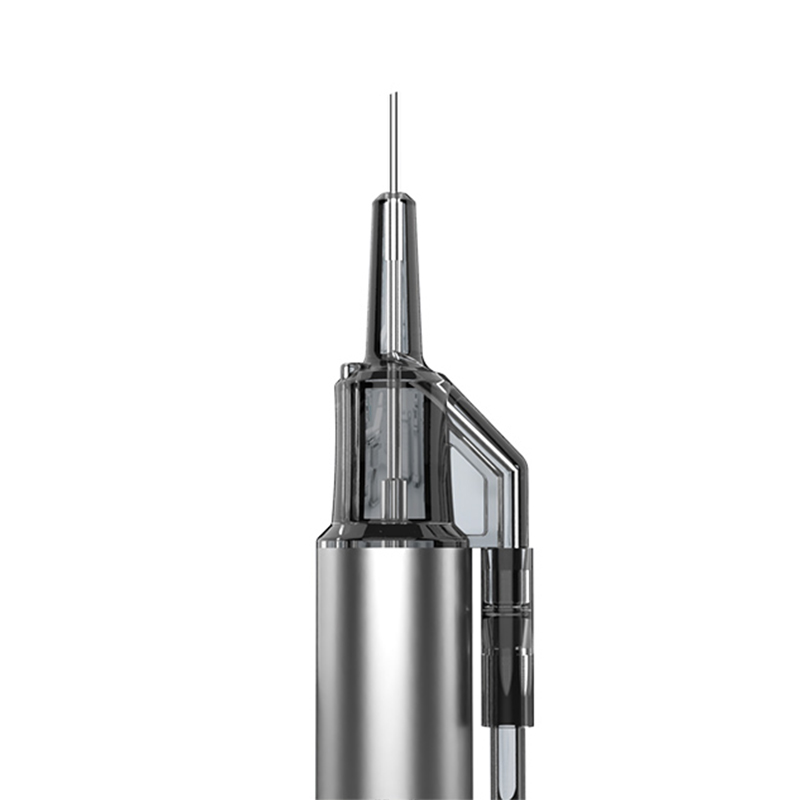
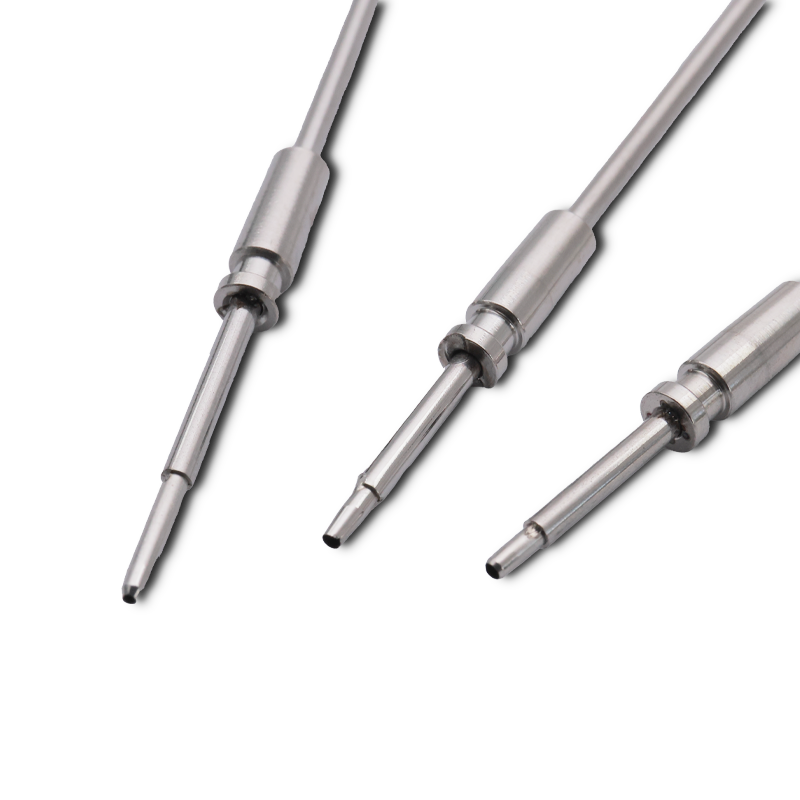
The device's micro-implant needles automatically adjust diameter (as small as 0.5mm) to avoid compression or stretching.
An intelligent environmental control system maintains optimal humidity and temperature, preserving follicle vitality.
Clinical results show survival rates exceeding 95%, outperforming conventional methods.
3. Double the Surgical Efficiency
A standard FUE surgery for 3,000 grafts usually takes about 8 hours.
Our automated system extracts 1,800 grafts per hour and implants 2,000 per hour,
completing the procedure in just 4–5 hours.
This reduces patient fatigue, increases surgeon productivity, and improves clinic throughput.
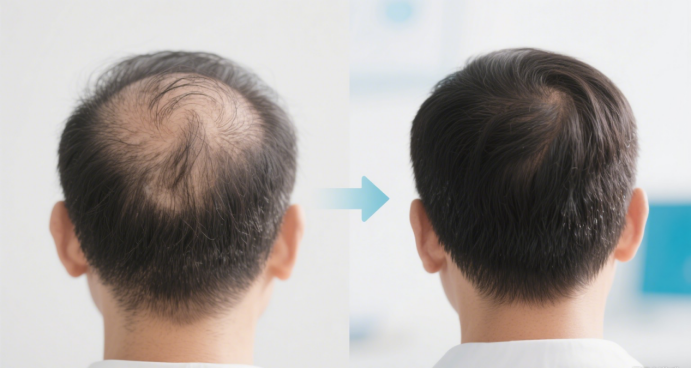
4. Natural and Aesthetic Outcomes
Using a 3D scanning and intelligent planning system, the device maps follicle distribution and designs a personalized implantation pattern.
During transplantation, it automatically adjusts hair angles (30°–45° for the hairline, 90° for the crown) and density (30–50 grafts/cm²).
Follow-up data show 95% direction consistency and 15–20% improvement in density uniformity for a seamless, natural look.
5. Superior Safety and Hygiene
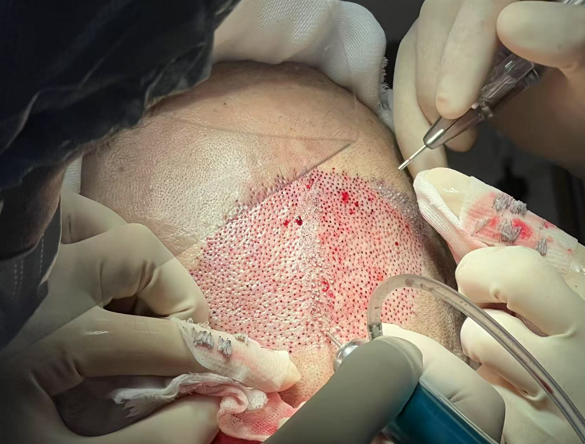
All contact components are disposable sterile materials in a sealed system, eliminating cross-contamination.
The negative-pressure extraction minimizes bleeding, with incision diameters ≤0.3mm and infection rates below 0.5%.
Built-in monitoring tracks patient vitals and scalp conditions, automatically pausing in case of abnormalities to ensure surgical safety.
6. Reduced Dependence on Surgeon Skill
Traditional hair transplants require years of manual expertise.
Our AI-assisted automation reduces this dependency—physicians can operate the system after short-term training.
This allows smaller clinics to offer high-quality procedures, expanding access to professional hair restoration globally.
Conclusion
Through innovation and precision engineering, our devices redefine hair transplantation—improving accuracy, survival rate, efficiency, safety, and accessibility.
By integrating AI automation and ergonomic design, we empower clinics to deliver natural, safe, and efficient results.
We are committed to driving the industry toward smarter, safer, and more precise hair restoration solutions for patients worldwide.