

Technological Innovation in Hair Transplant Devices: The Breakthrough of Contactless Extraction and Implantation
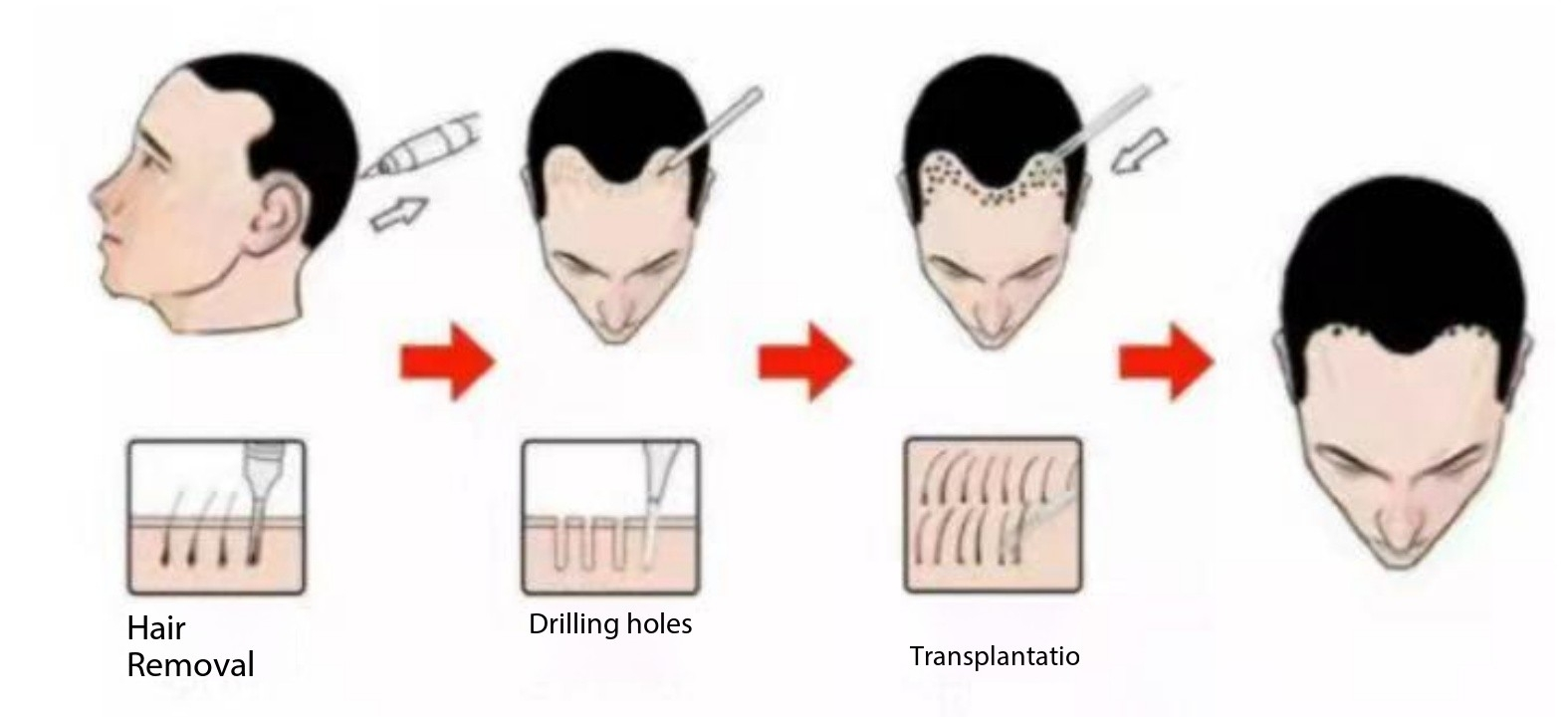
With global hair loss cases surging, the hair transplant industry is expanding rapidly. Traditional devices, limited by poor vacuum control, complex workflow, and high follicle damage rates, can no longer meet modern demands for precision and comfort.
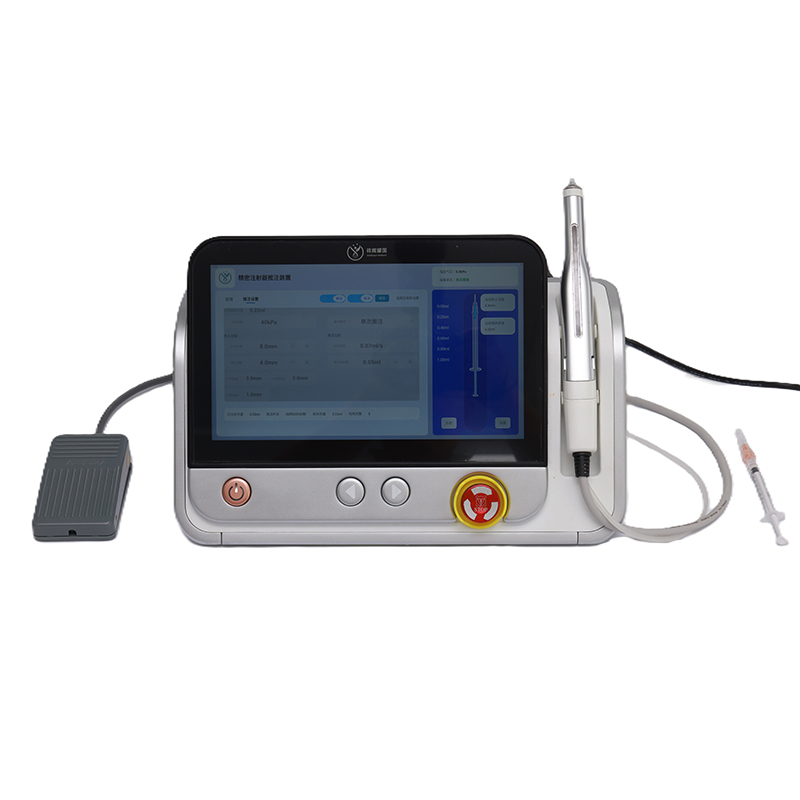
The new contactless follicle extraction and implantation device represents a revolutionary leap toward intelligent and minimally invasive hair restoration.
1. Limitations of Traditional Devices
Inaccurate Negative Pressure Control
Conventional devices use fixed suction levels, failing to adapt to variations in scalp regions or follicle structure.
Low suction causes extraction failure, while excessive suction tears tissue, reducing graft survival to below 85%.
Damage rates typically range from 8–15%.Fragmented and Inefficient Workflow
Traditional surgeries require frequent tool switching across extraction, separation, and implantation.
Each 3,000-graft procedure involves thousands of tool changes, lasting 4–6 hours.
This results in fatigue, inconsistency, and a 23% rate of mechanical follicle damage.
2. Key Innovations of the Contactless Device
AI-Driven Dynamic Pressure Control
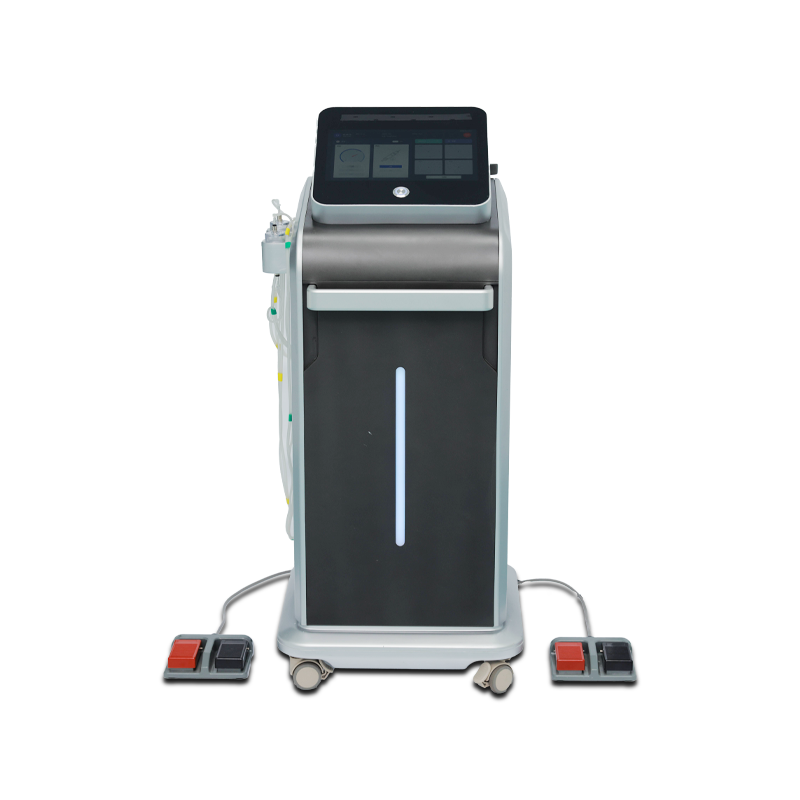
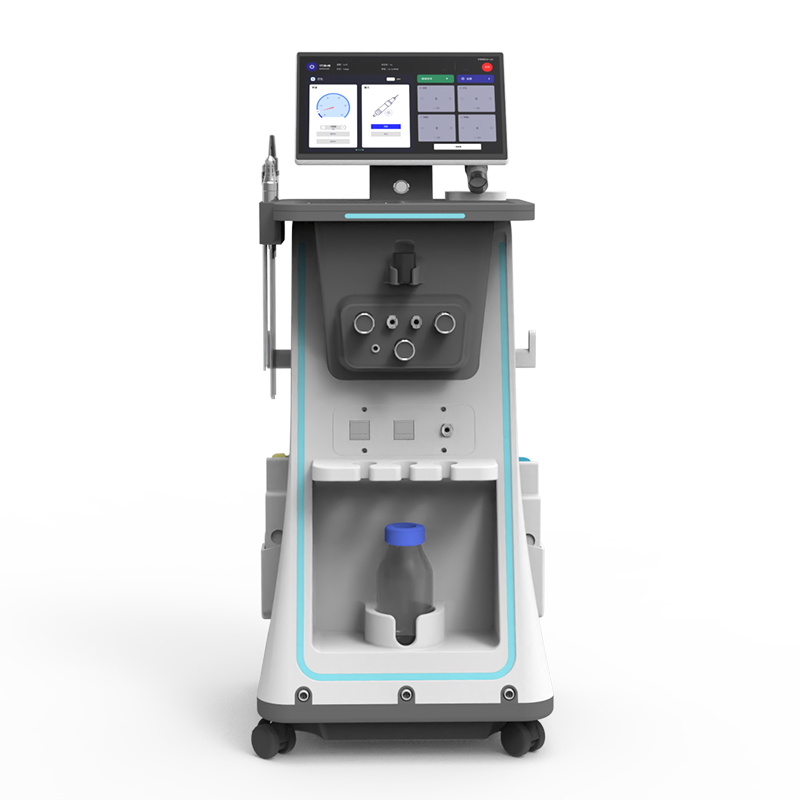
Equipped with an intelligent vacuum regulation system, the device analyzes scalp depth and follicle density in real time, adjusting suction automatically.
Surgeons can fine-tune settings via a touch screen, achieving "AI precision with human control."
This reduces follicle damage to under 3% and significantly boosts survival rates.Integrated Extraction and Implantation System
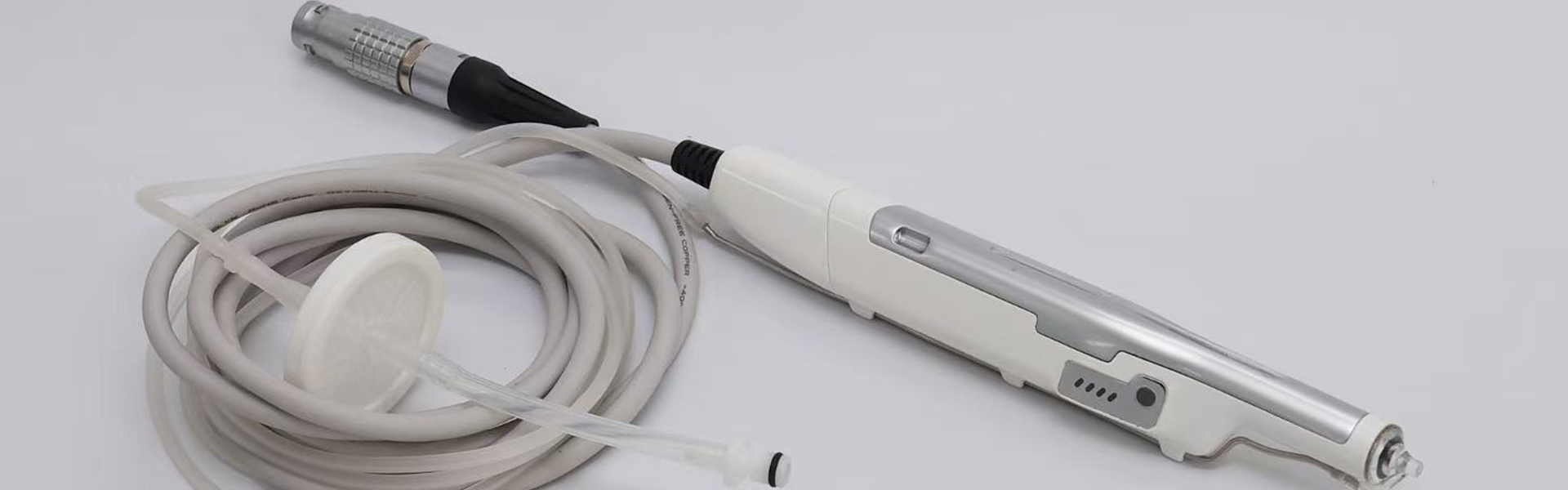
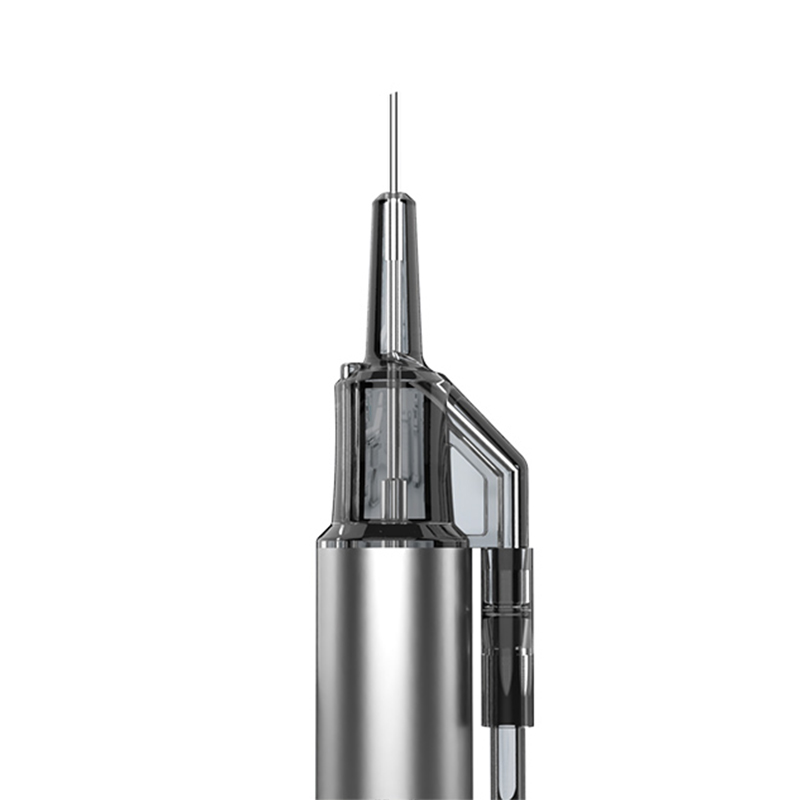
Both functions are built into one handheld unit with an optical module magnifying follicles 8–12×.
The closed-loop workflow—"view, extract, implant"—cuts tool change time to 0.5 seconds and reduces total surgery time to 2.5–3 hours.
Efficiency improves by 40%, and surgeon fatigue is minimized.Contactless Airflow Operation
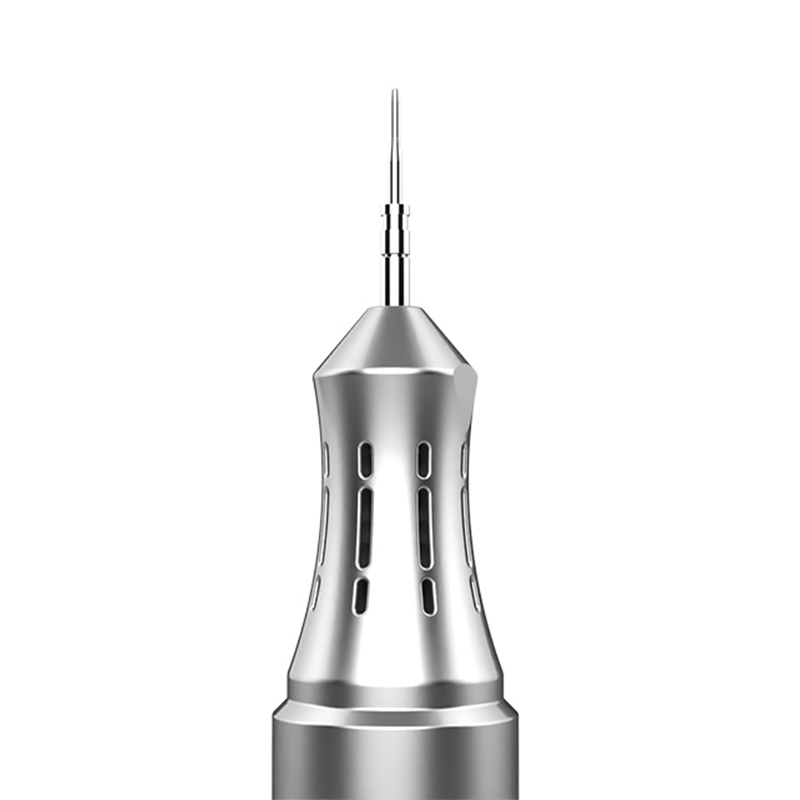
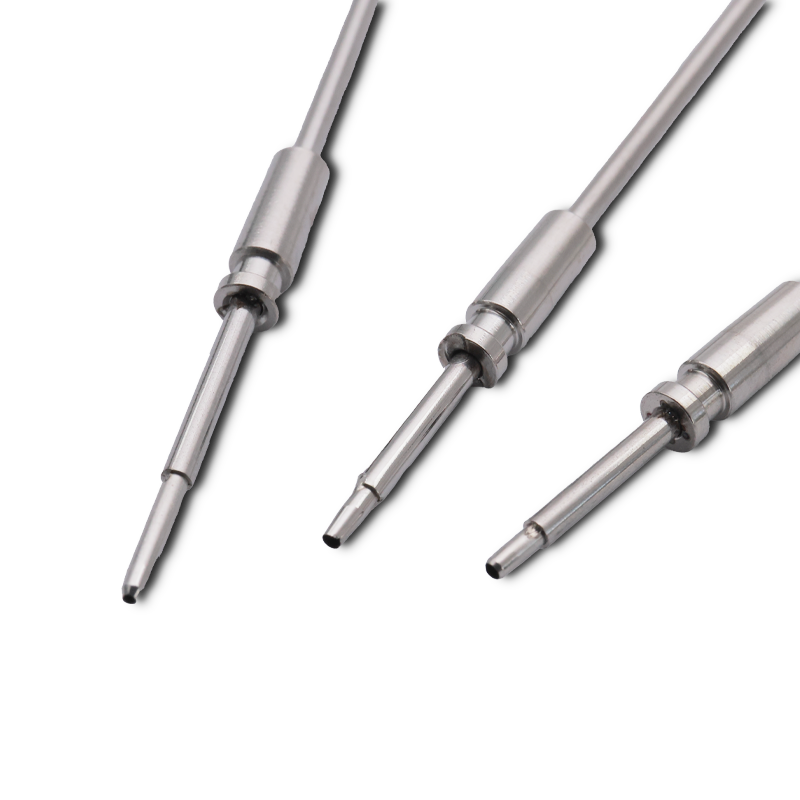
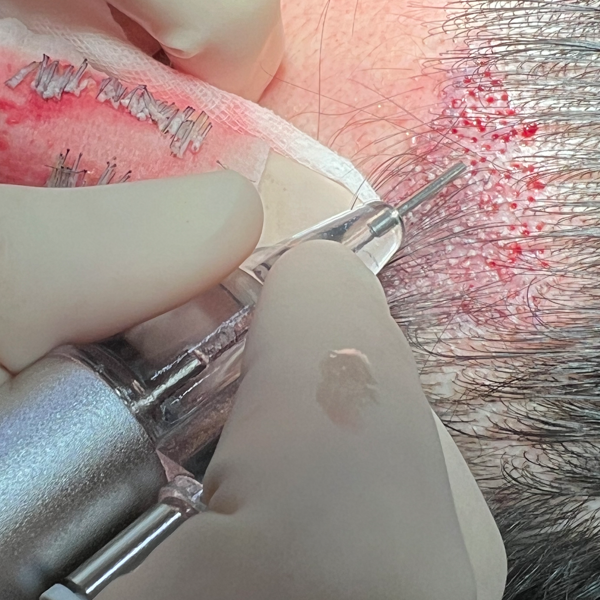
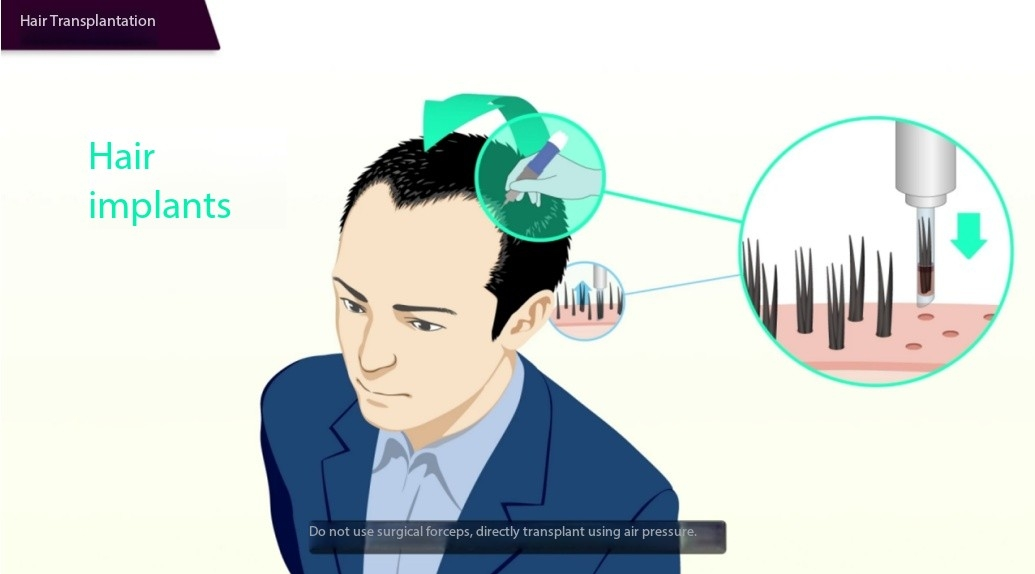
Instead of metal clamps, the device uses negative-pressure airflow to lift follicles gently without direct contact.
During implantation, pneumatic micro-jet technology delivers follicles at adjustable angles (15°–45°), preserving over 90% cell viability after 24 hours.
3. Data-Driven and Ergonomic Design
An IoT-enabled module records every graft's extraction and survival data for postoperative tracking and optimization.
The lightweight body (280g) and ergonomic grip reduce wrist strain, enabling long operations with comfort and control.
Patients benefit from minimal bleeding, faster recovery, and improved natural outcomes.
4. Toward the Future of Intelligent Transplantation
The upcoming second-generation model integrates AI image recognition and robotic assistance, automatically mapping optimal extraction paths and performing semi-automated operations.
These innovations redefine the standards of precision, safety, and efficiency, advancing hair transplantation into the era of intelligent and personalized microsurgery.
Conclusion
The contactless hair transplant device overcomes traditional limitations of suction control and workflow fragmentation.
By combining smart regulation, data analytics, and ergonomic design, it achieves low damage, high precision, and faster recovery—ushering in a new age of precision-driven hair restoration and renewed confidence for patients worldwide.
